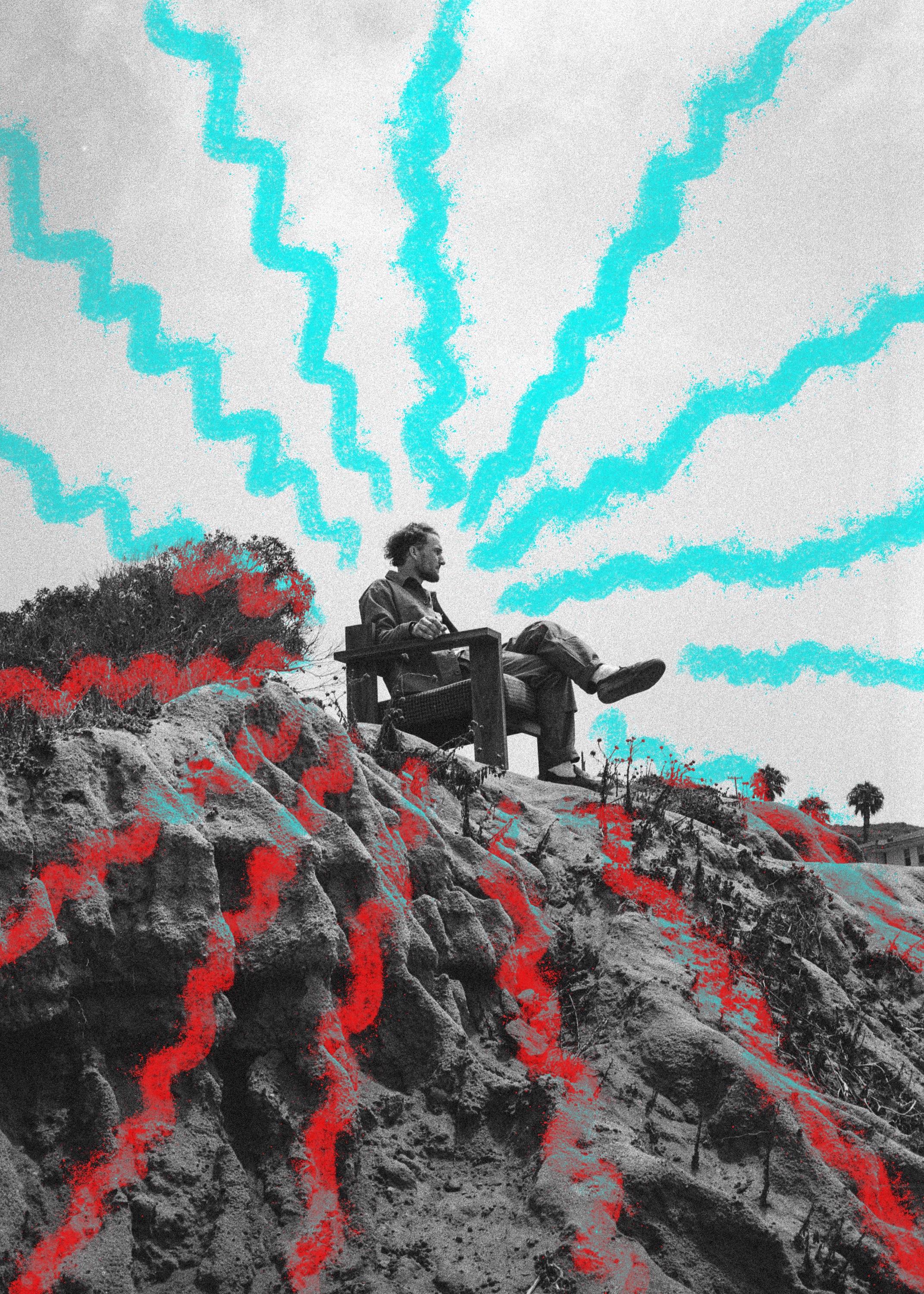
The pursuit of a dream is no foreign concept for Imperfects. Dreams are what have made us from the start. From Mike Lynch’s first apparel designs to the years of blood, sweat, and tears running and building a brand from the ground up. Always reaching beyond what feels achievable in one’s own strength.
I first met the mind behind XYLO, Michael Gilling, over a decade ago while housing a crew of touring musicians at my then $400-a-month rental with an ocean view in Point Loma. (A rate that’s now hardly imaginable.) At the time, Michael was on a nationwide tour of the U.S. and I was a broke, post-graduate trying to figure out how to make a living as an artist. We struck up a friendship immediately over our common love of surfing, film photography, and music. We dreamed and plotted how we would one day acquire Nikonos diving cameras and capture surf photography on film (which we both ended up delving into years later).
There was an approach to life that Michael carried that felt inspiring and invigorating to my young mind back then. Being from New Zealand, it was no small endeavor to travel to the U.S., vagabonding his way across the country and living a life marked by long roads and the kindness of strangers. I found great inspiration in that. Over the years, Michael’s interests blossomed into the design and woodworking world. A pursuit which he has stayed the course on ever since. Looking back, it feels rare and impressive that to this day his sense of adventure has remained intact. A lot can derail a passion over 10 years, but he has stayed the course and honed his skills to the realm of a master craftsman.
This brings us to now.
He once again found himself in San Diego, this time with a chair in tow that he’s been refining and laboring over for years.
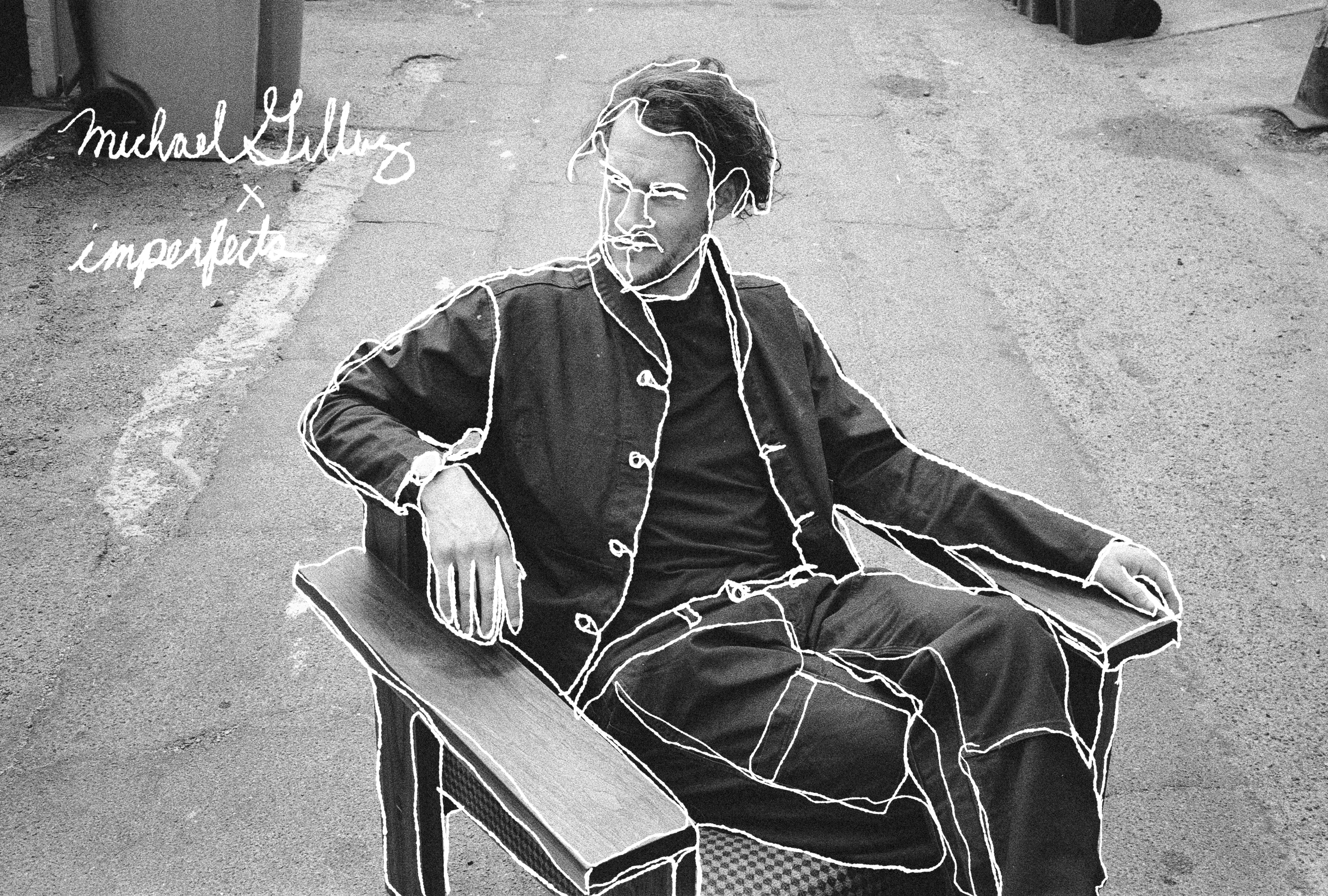
Michael, we’ve known each other for over a decade now, and when we first met you were touring around the U.S. from New Zealand, basically living out of a bag and figuring it out as you went. Take me back to those days and what that was like.
I had lived in a small town in the South of NZ my whole life. It was a dream to be able to tour the U.S., traveling in a van, staying with a lot of different people, seeing places I’d seen on TV and movies. It was a formative time for sure. I remember sitting on your roof in Point Loma a couple of hours after meeting you for the first time. Drinking ‘Simple Times’ beer from Trader Joe’s, watching the sunset. That scene might sum up the time for me.
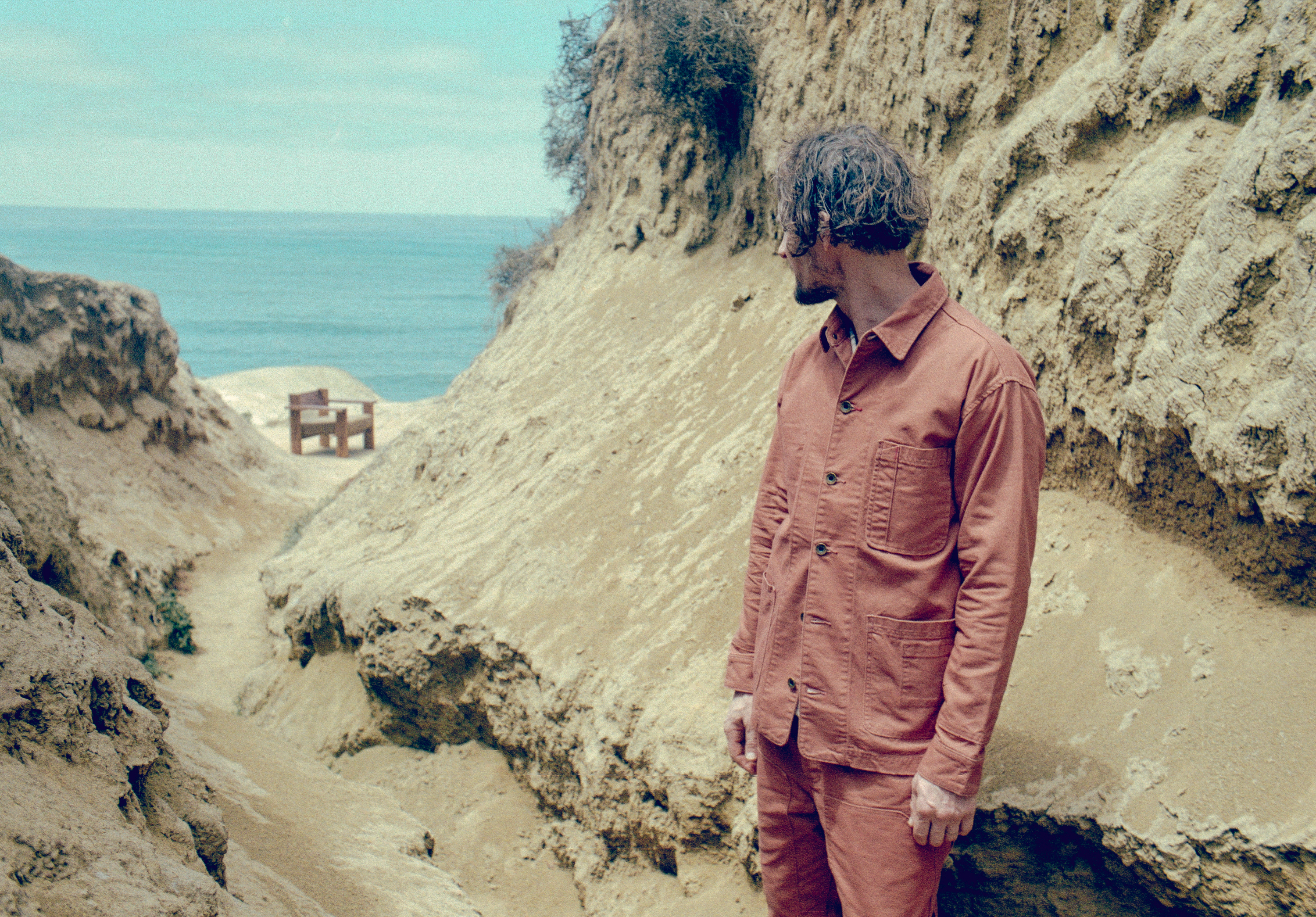
I remember both of us being pretty obsessed with surfing and film photography back then. We used to talk about getting Nikonos cameras and shooting surfing on film someday, which we both eventually ended up doing. Where did that love of surfing and photography start for you?
As a kid I was drawn to skateboarding and got into the culture of it. Magazines, videos, fashion etc. I felt natural on a skateboard, this then extended into surfing and snowboarding. All these sports draw a lot on artistic expression through art, photography and design. I was drawn to this and would look closely at details, taking in all elements and the feel. I found a film camera at a secondhand store in my early 20s and started playing around with it. I’m drawn to the colors, tones and the feel of analogue photography. I also like learning and there was a satisfaction in getting an understanding of how film worked and the trial and error along the way. I was never too upset when a whole roll turned out bad or was out of focus. There’s a beauty in letting it be.
You’ve always had a bit of a willingness to just go for things. Traveling around the world, going on tour, surfing, making things. Where do you think that comes from?
I think it could be a second-child thing. Partly growing up in a small town and partly my innate being. These all reinforce each other I think. When we were younger Dad would take us out to explore. We’d go on hikes and go camping. I loved the adventure and was pushed out of my comfort zone a lot from a young age. Dad was always making things, doing house renovations, making furniture etc. He even made a wooden kayak and a small boat. I’ve always had this draw to making and using my hands. Seeing Dad make these things and work with the tools and knowledge he had was an inspiration. I would just do the same and try to make the things I thought about or needed.
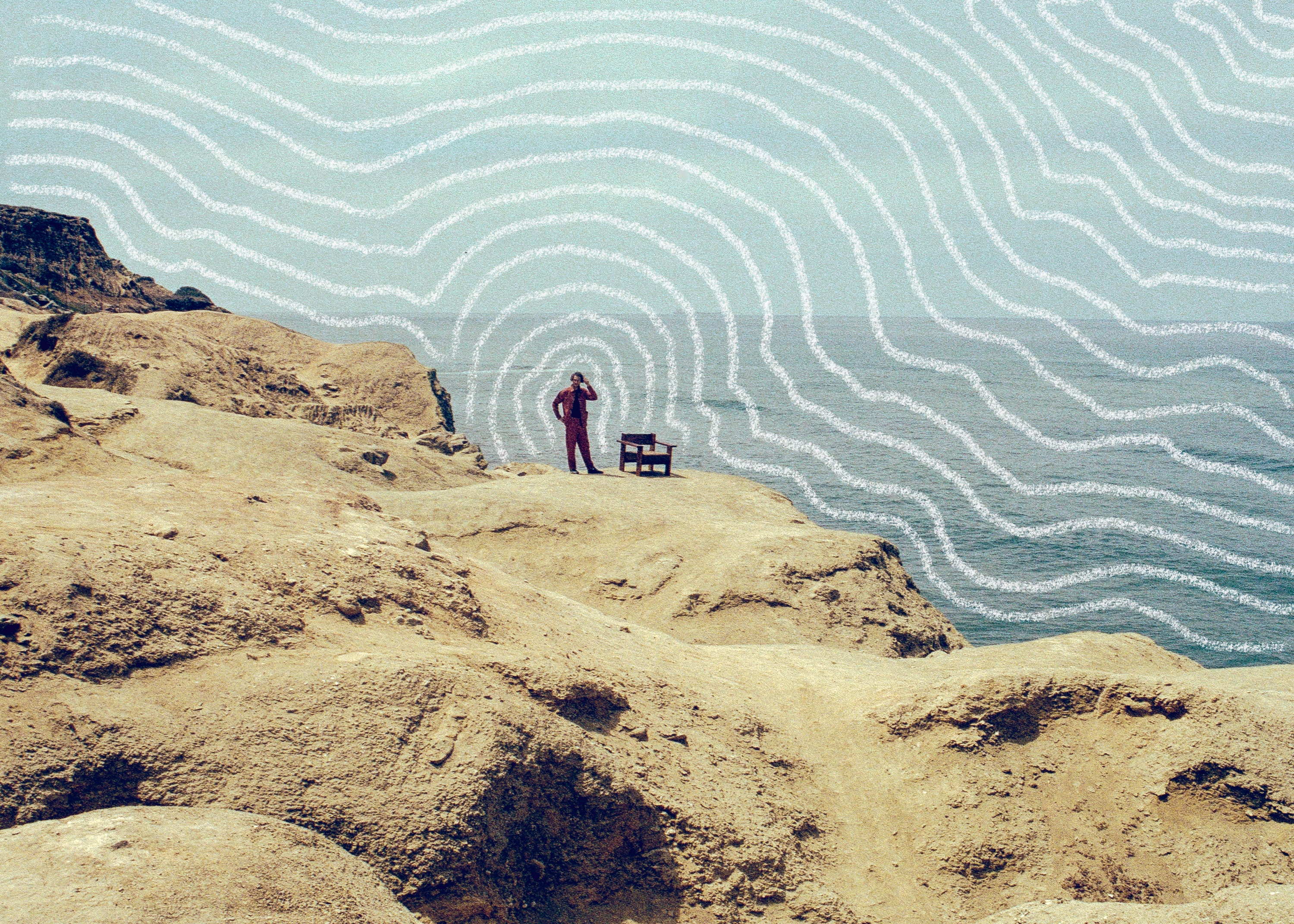
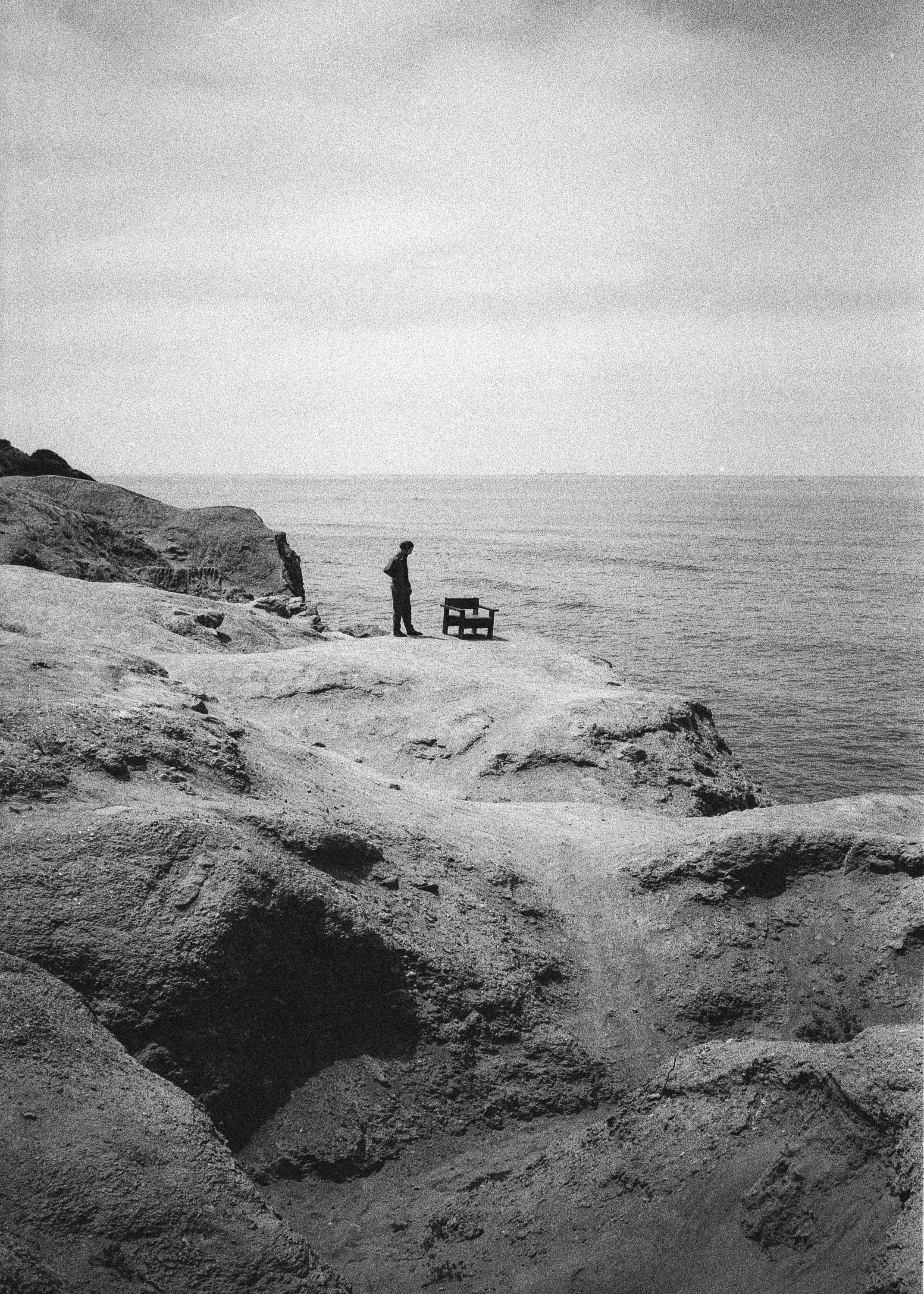
Tell me about XYLO. Where did the idea come from and what did you want it to be when you started?
XYLO started after the trip where I met you. The years before that tour I had rediscovered my woodworking ability and had started making things with the limited tools I had at the time. I made a very rough wooden surfboard out of found pallet timber and shaped it with a jigsaw, planer and a sander. It was fun. On the tour I was thinking a lot about where I could take that and seeing people like Danny Hess was inspiring. I got home and decided I was going to make wooden surfboards. I invested my little money into some nice light cedar, borrowed a workshop with proper tools and crafted a 5’8 hollow fish. From there I bought some paulownia and made a handful more boards. I loved the process and refining it over each board with the grassroots workshop I had. I eventually grew satisfied with making surfboards and turned to making timber furniture. This was a way to keep learning woodworking and I think I could see more of a market in it. XYLO was the name I put on that first cedar board, I liked the look of it and the sound and decided to take it with me. Looking back that board was giving myself permission to invest in these skills and see where it goes.
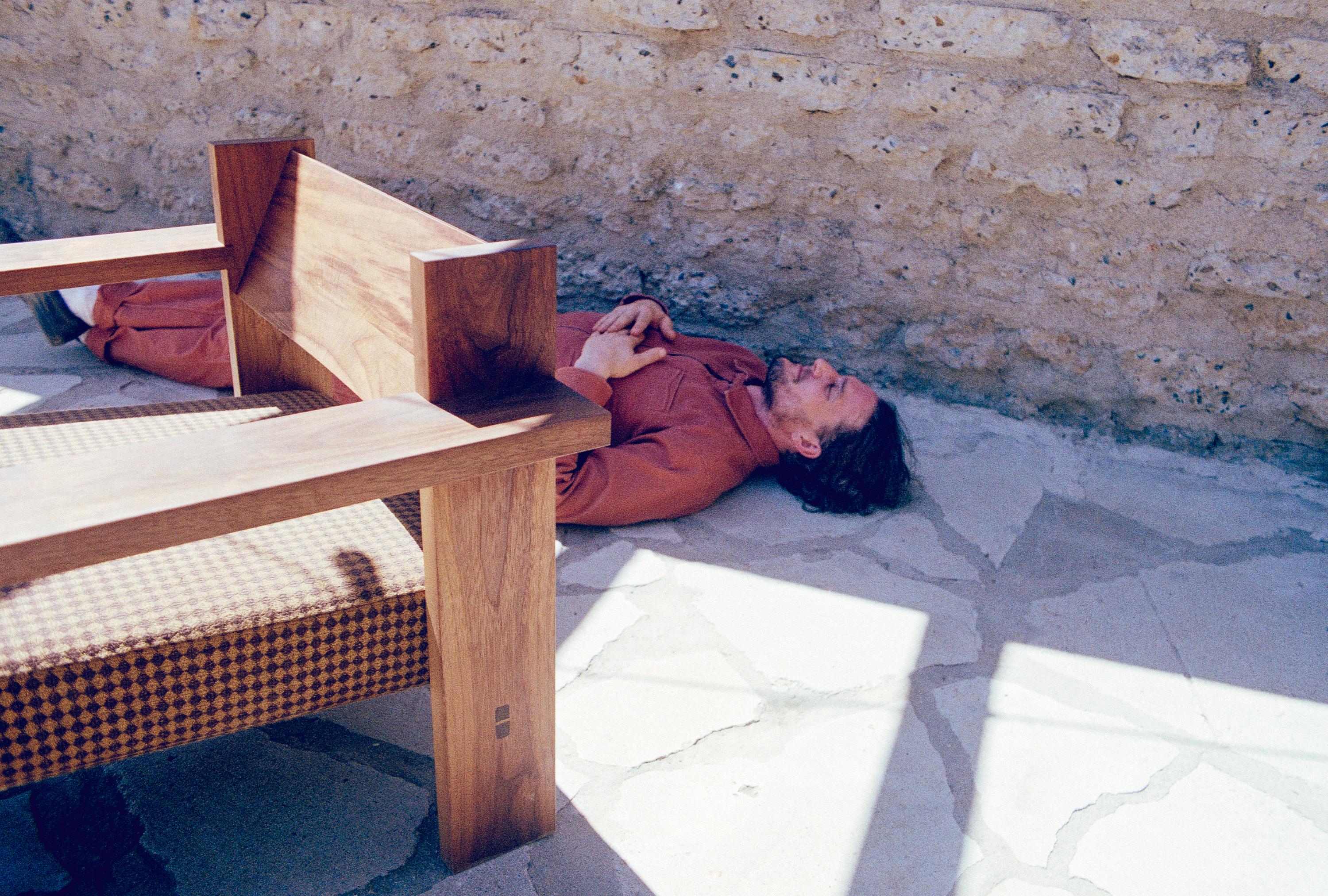
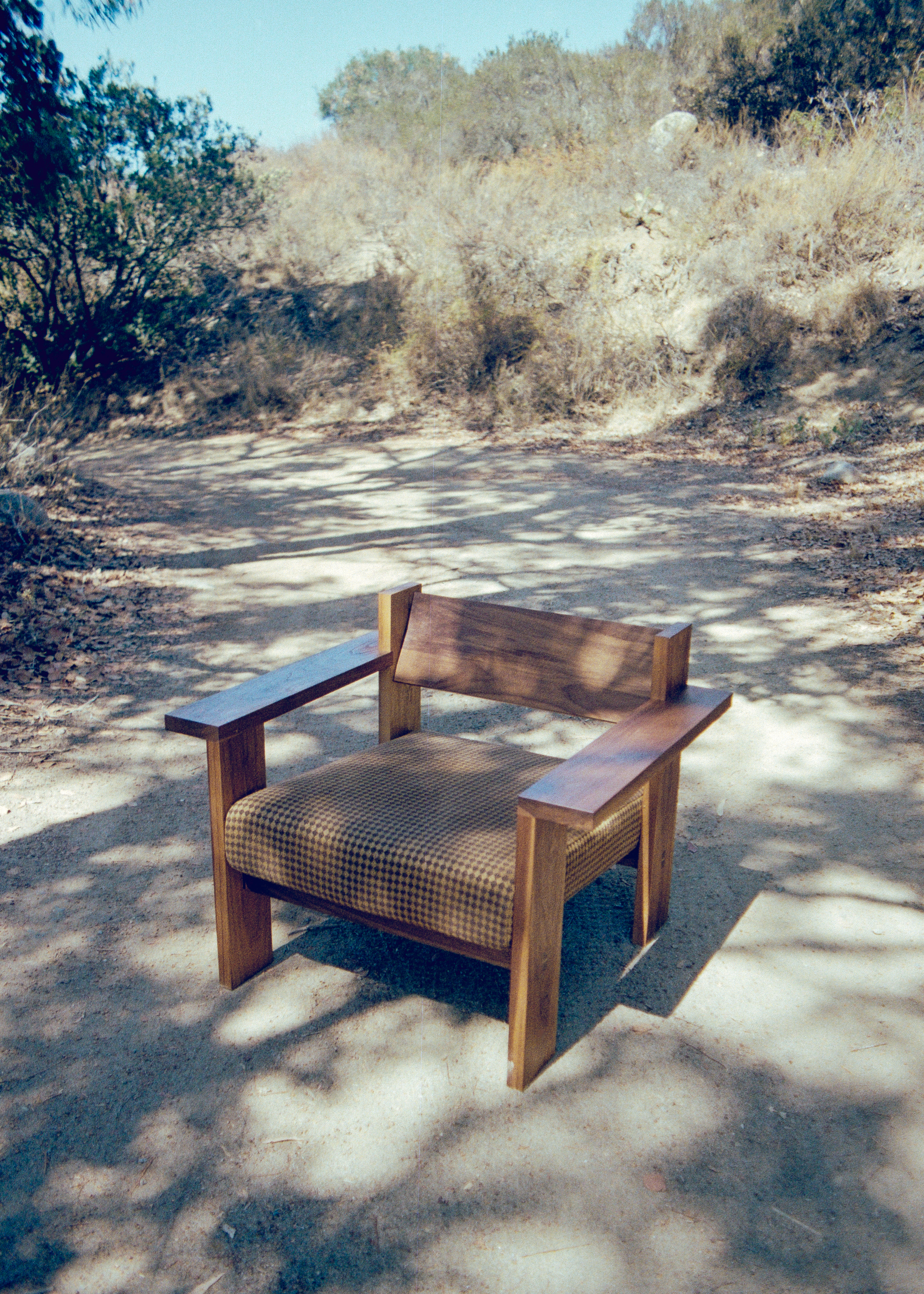
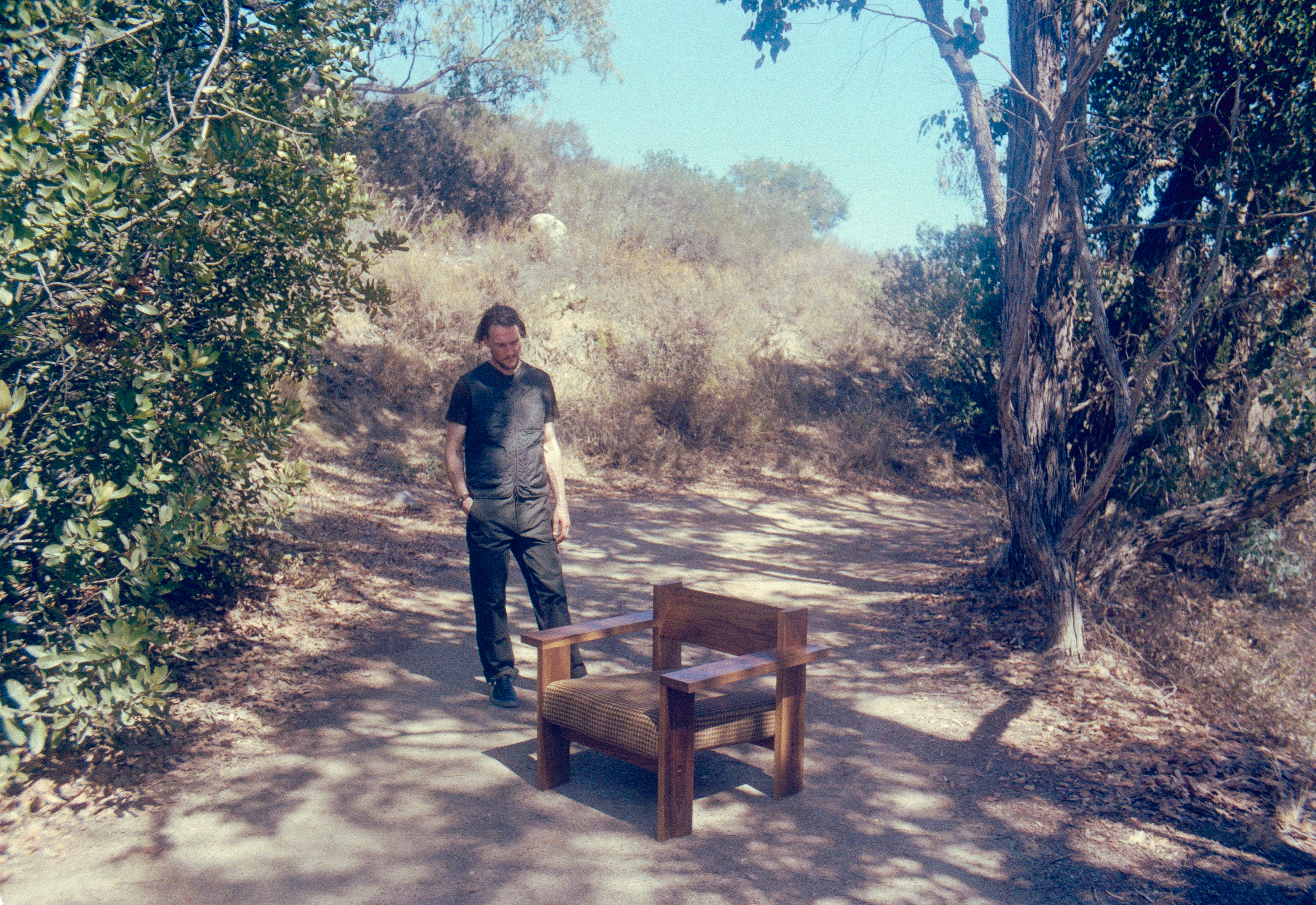
Where do your ideas usually start? Is it something you see, a problem you’re trying to solve, or is it more intuitive than that?
I get a lot of my ideas from what already exists. I take shapes, forms and details from furniture or spaces I like. When a project comes up it is a combination of all those things and at times led by either one of them.
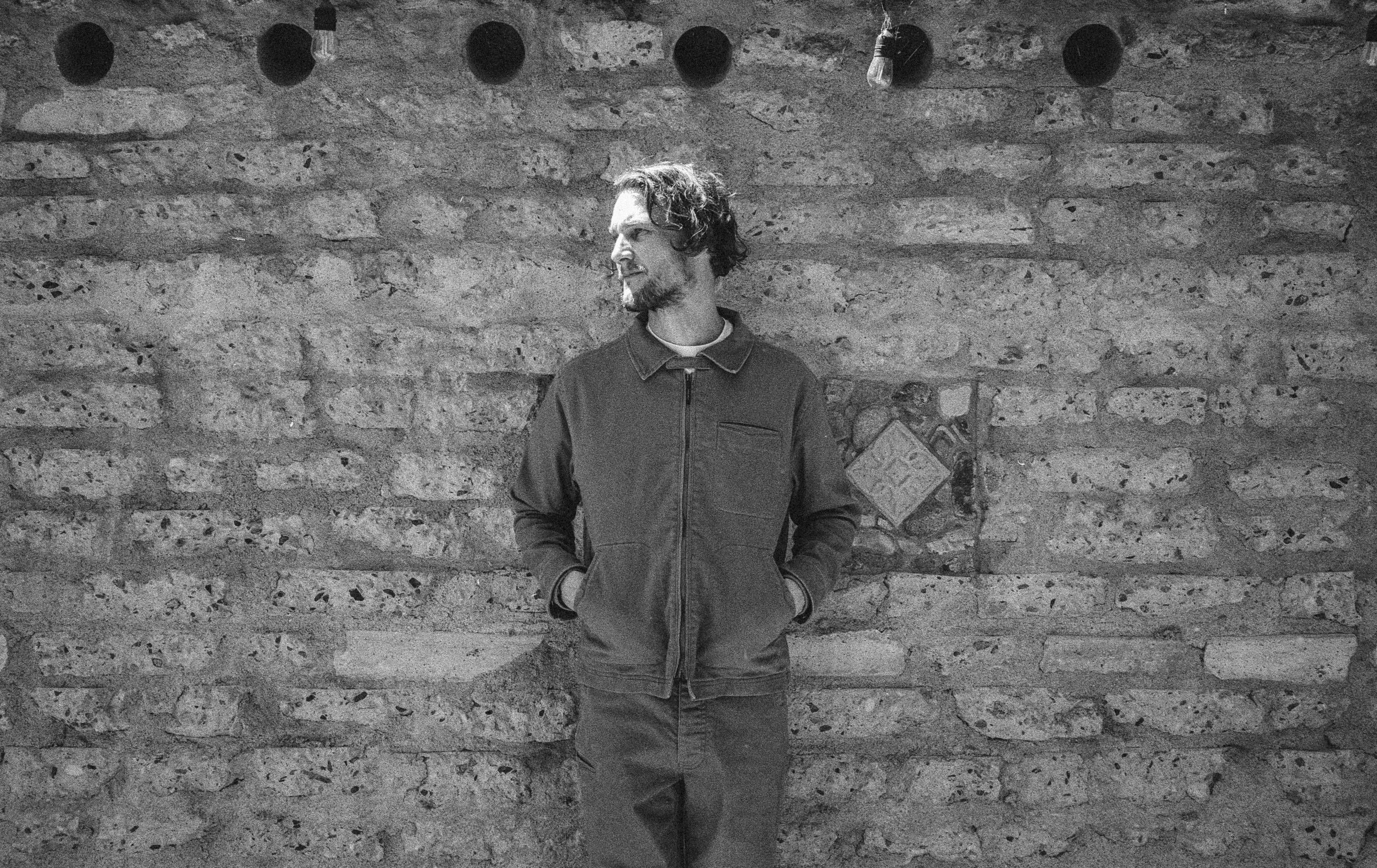
There’s something interesting to me about choosing woodworking in a world where everything seems to be moving faster and faster. Your work requires you to slow down and spend a huge amount of time with one object. What do you love about that process?
Over the years I’ve tried to speed up the process as much as I can, get more efficient. There are certain things along the way that stay the same like sanding and finishing. Tasks that require my hands and have variance in them. I’ve learned to love this process and I think it’s what gives my work its feel and presence. I think there is a transfer of energy happening when you make something, time and energy spent is stored and felt in what’s being made.
Of all the things you could make, what is it about furniture that has kept your attention?
I like how furniture interacts with life, how it helps shape spaces and behaviors. At a base level I like the practicality of it. There’s a satisfaction in having something you made in your home.
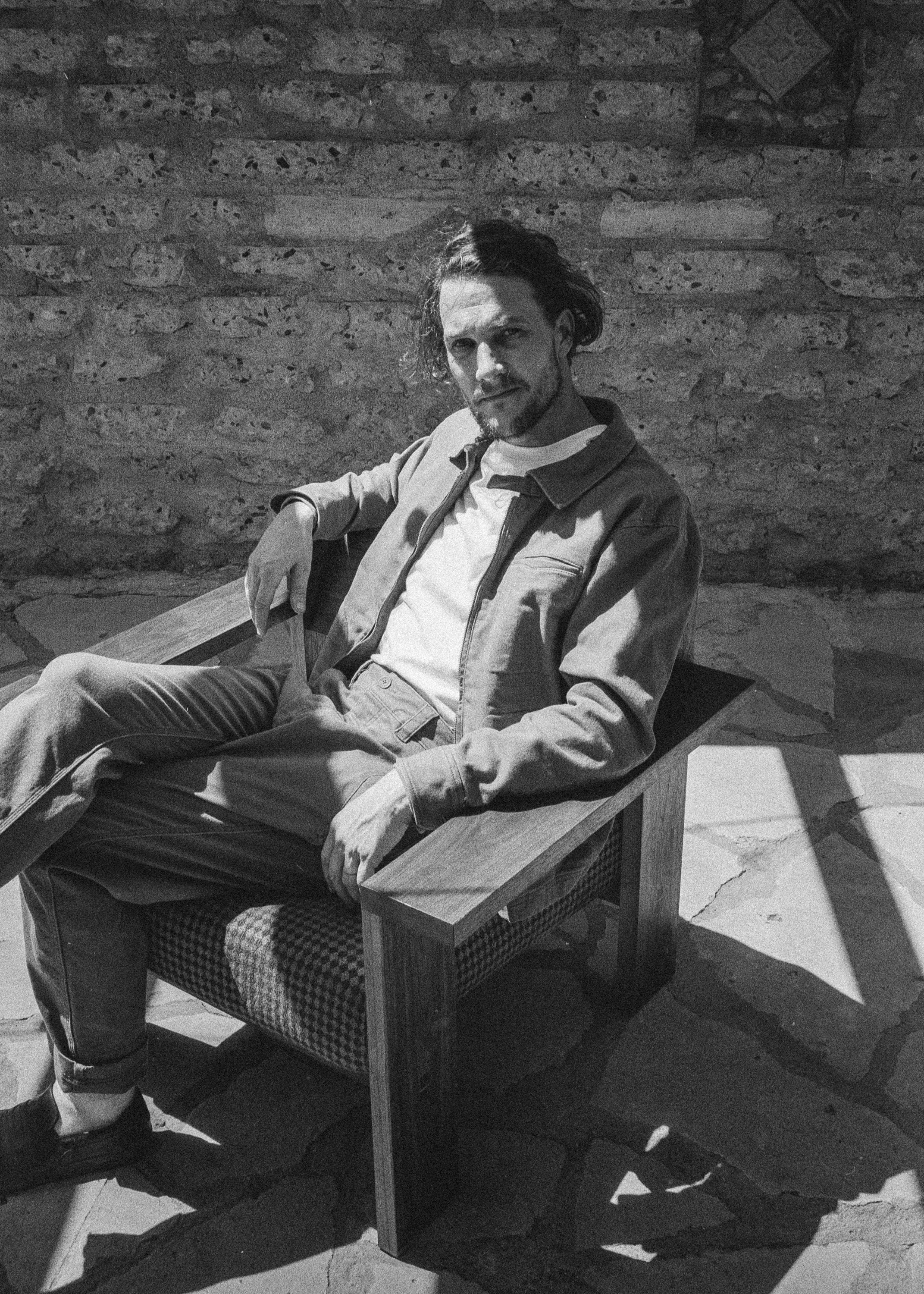
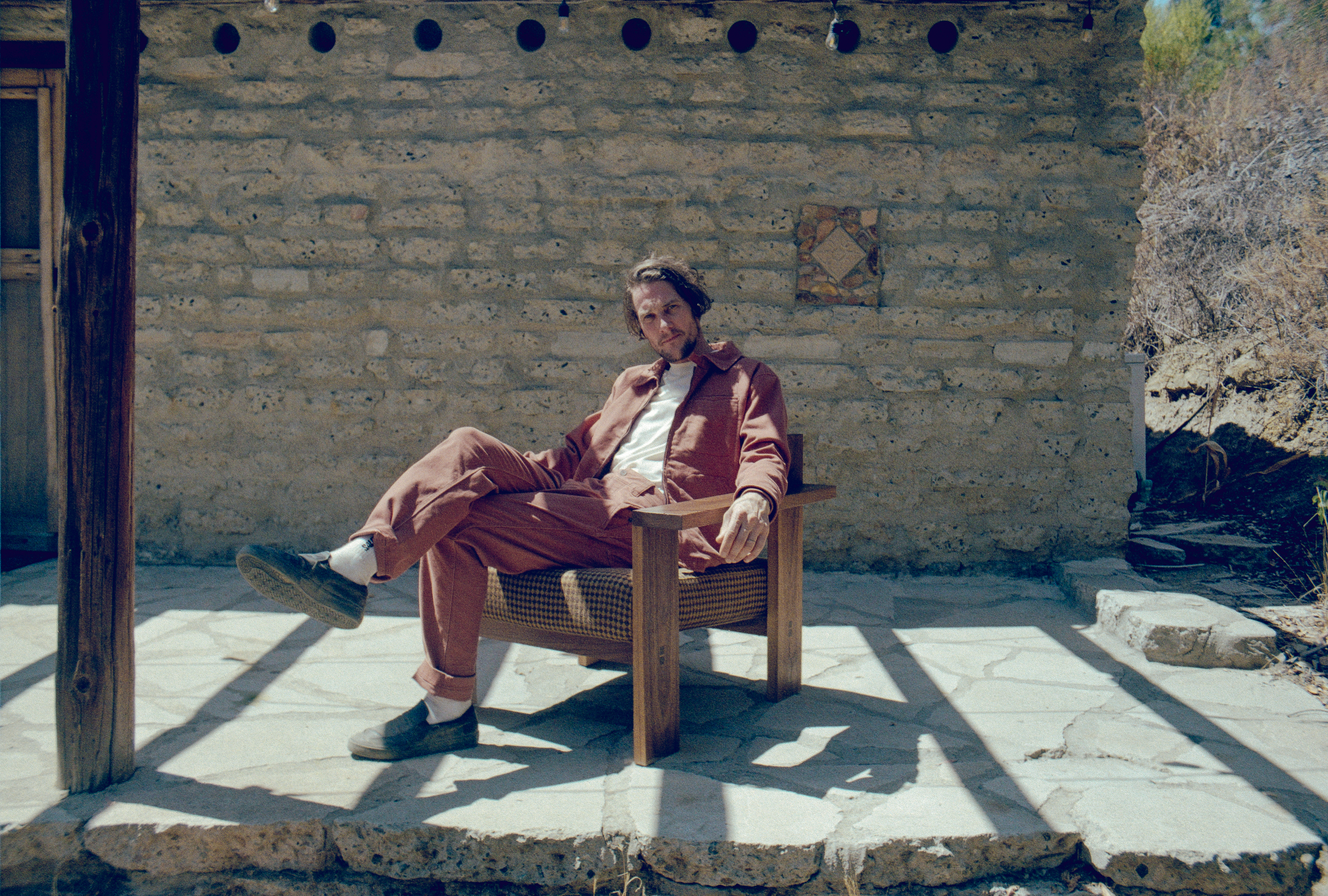
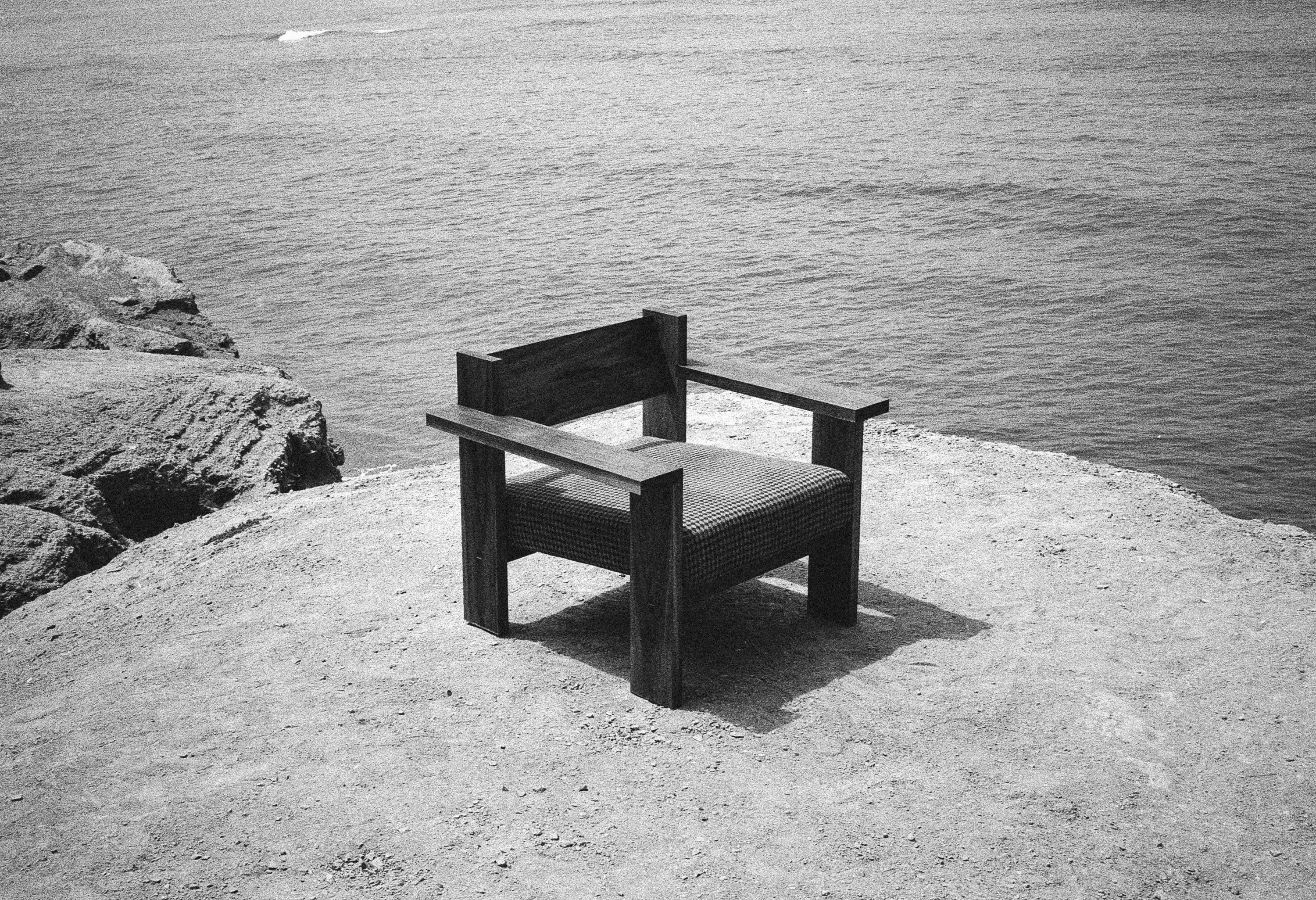
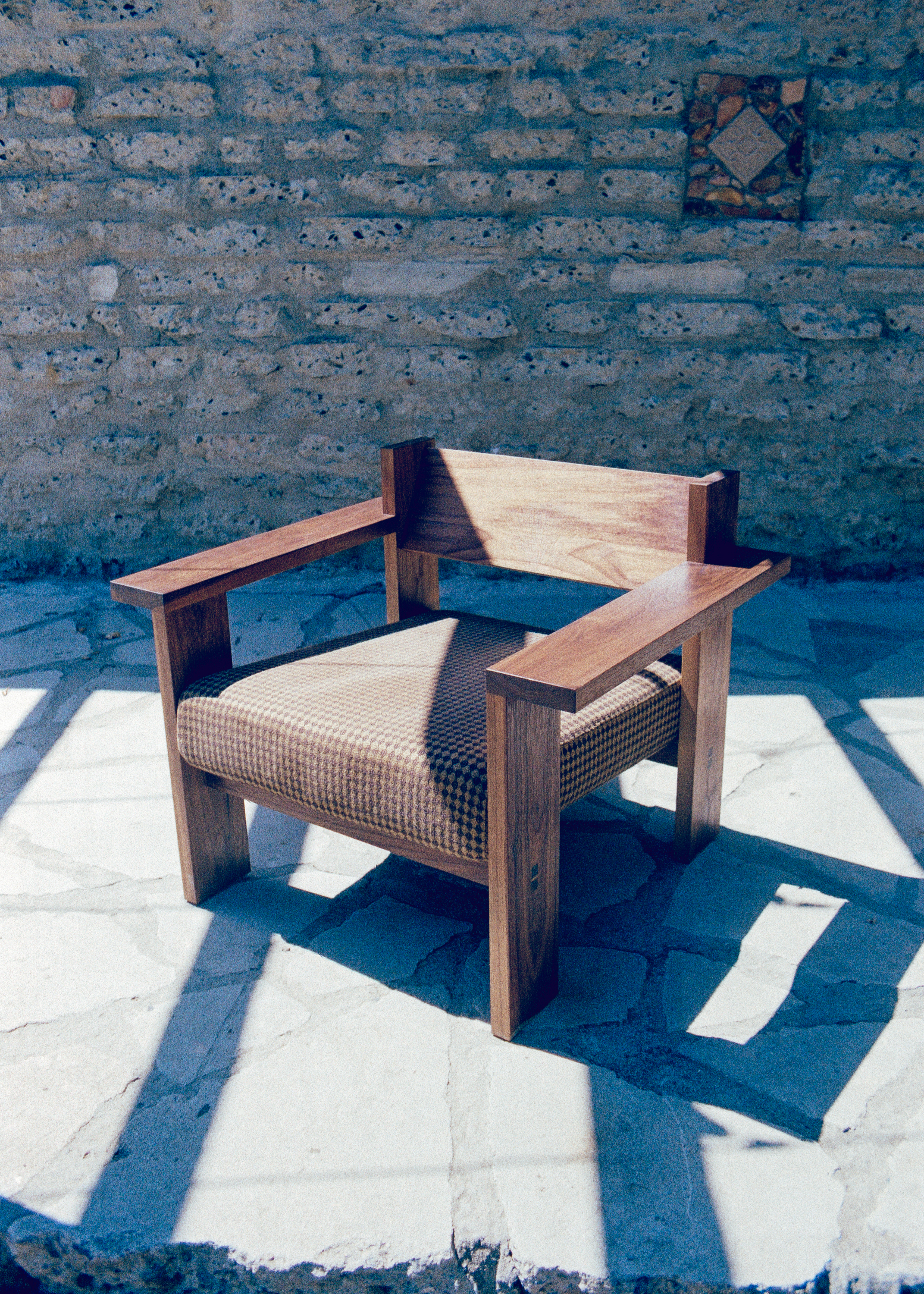
I want to talk about this chair because, from what I understand, this isn’t just any old chair. You’ve been scheming on this thing for years. What were you trying to achieve with it? What did you feel was missing from the chairs that already existed?
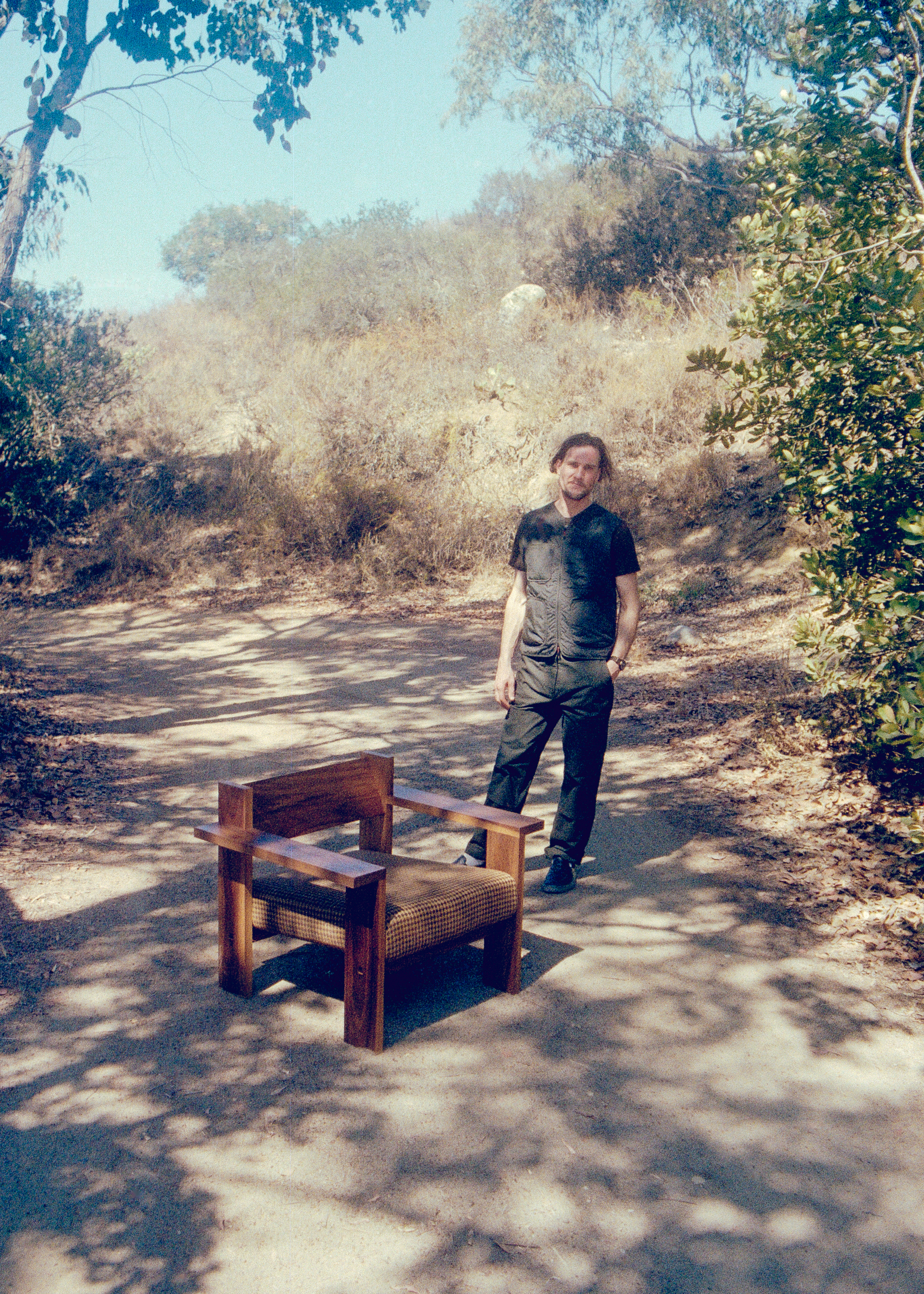
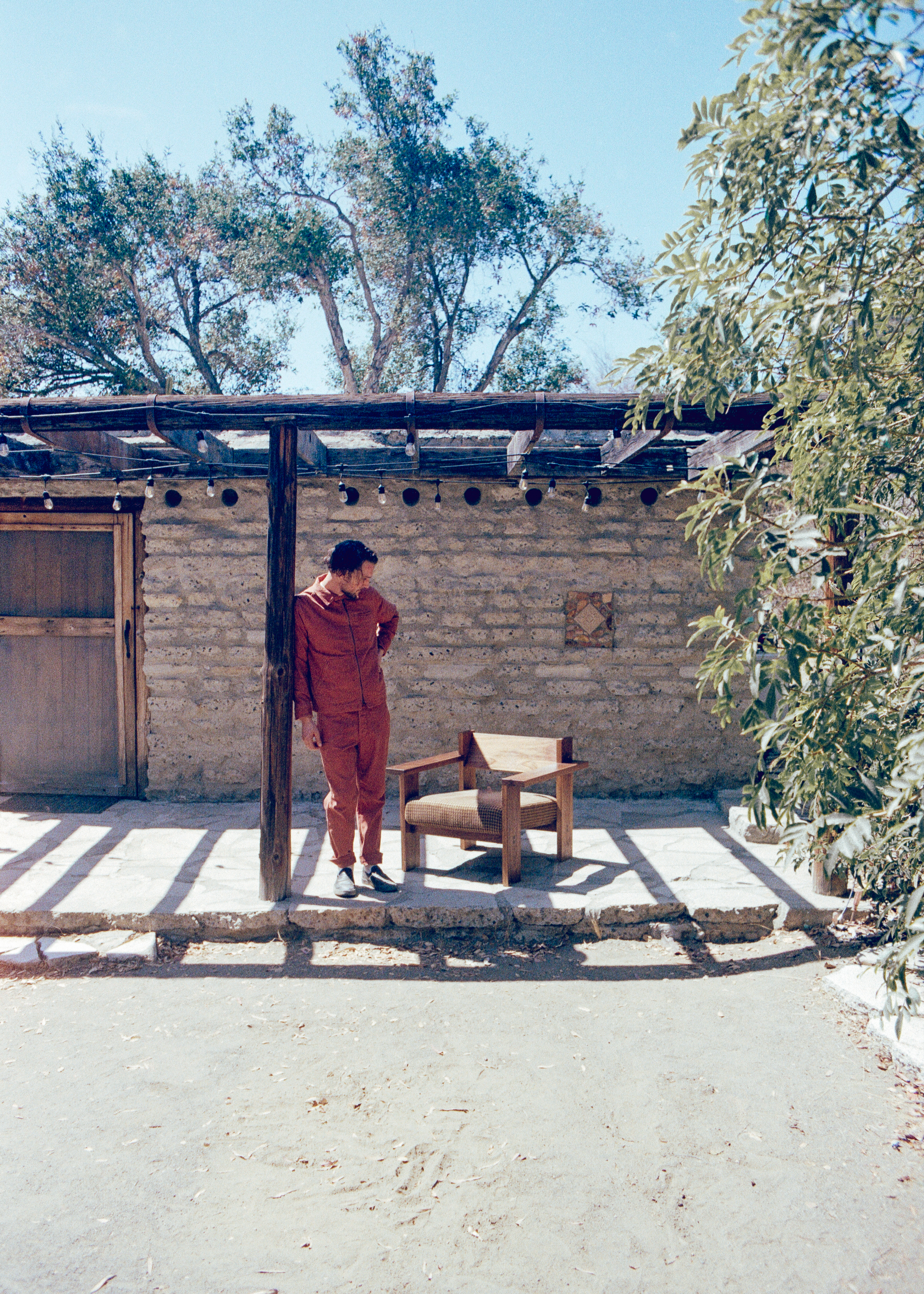
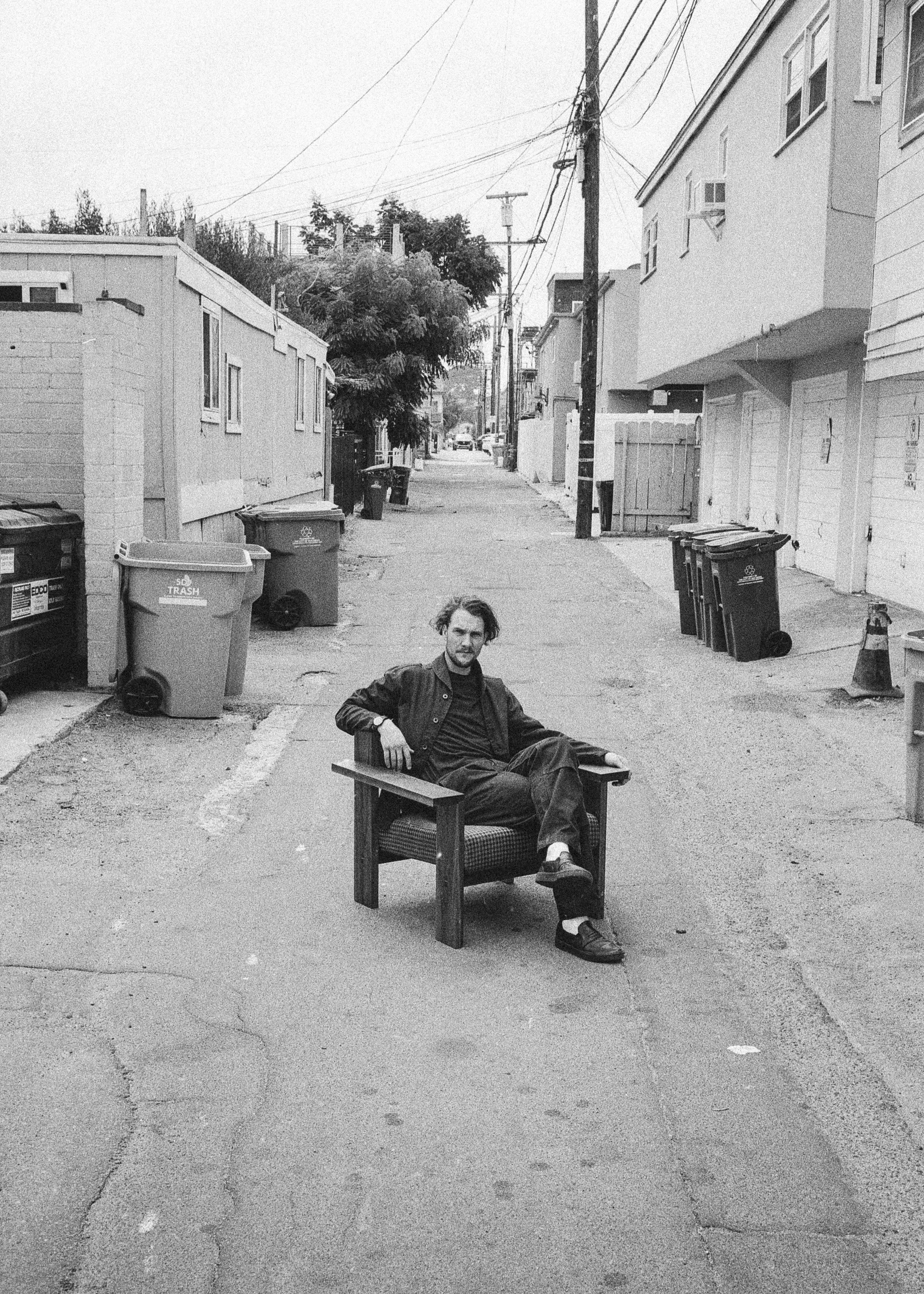
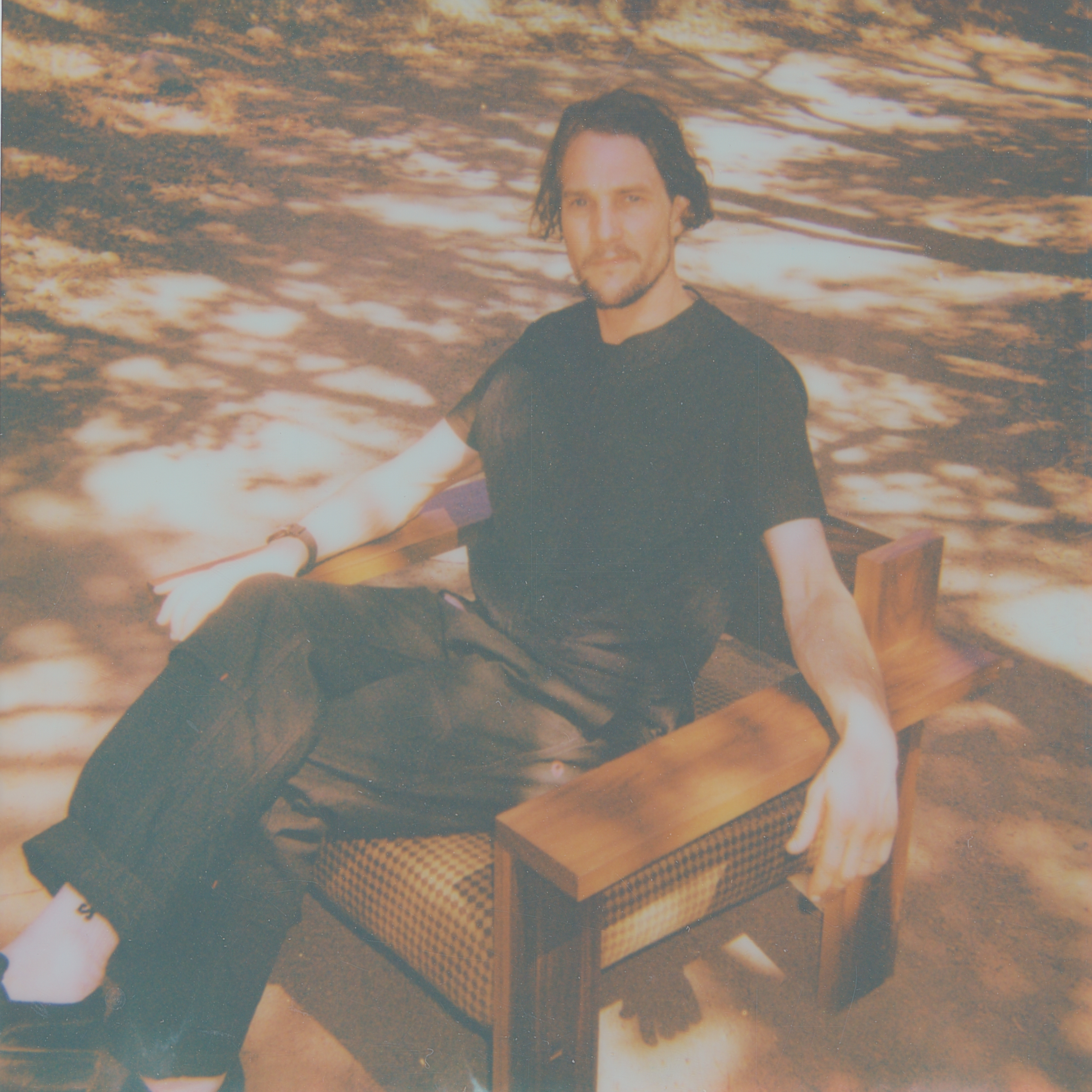
I wanted a chair to drink my morning coffee in, something that stood on its own. I was drawn to this lounge chair form with wide ‘table like’ arms. There are plenty of chairs out there with a similar feel, I put my take on it. The scheming for me was tweaking the chair in small ways to make it comfortable while also balancing the proportions. It’s the first time I’ve invested time and materials into the process of developing an item, so the Ritual Chair is special in that way.
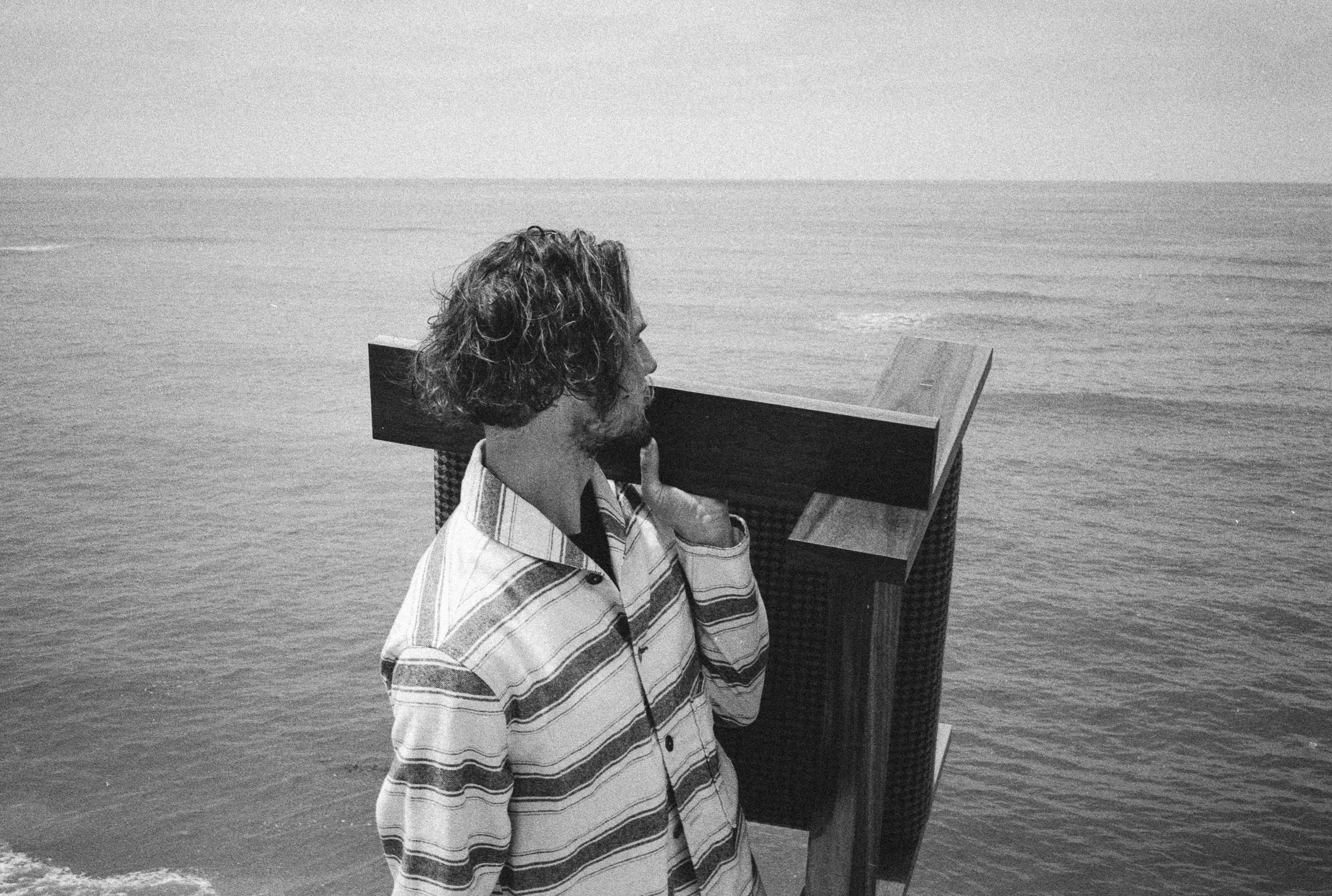
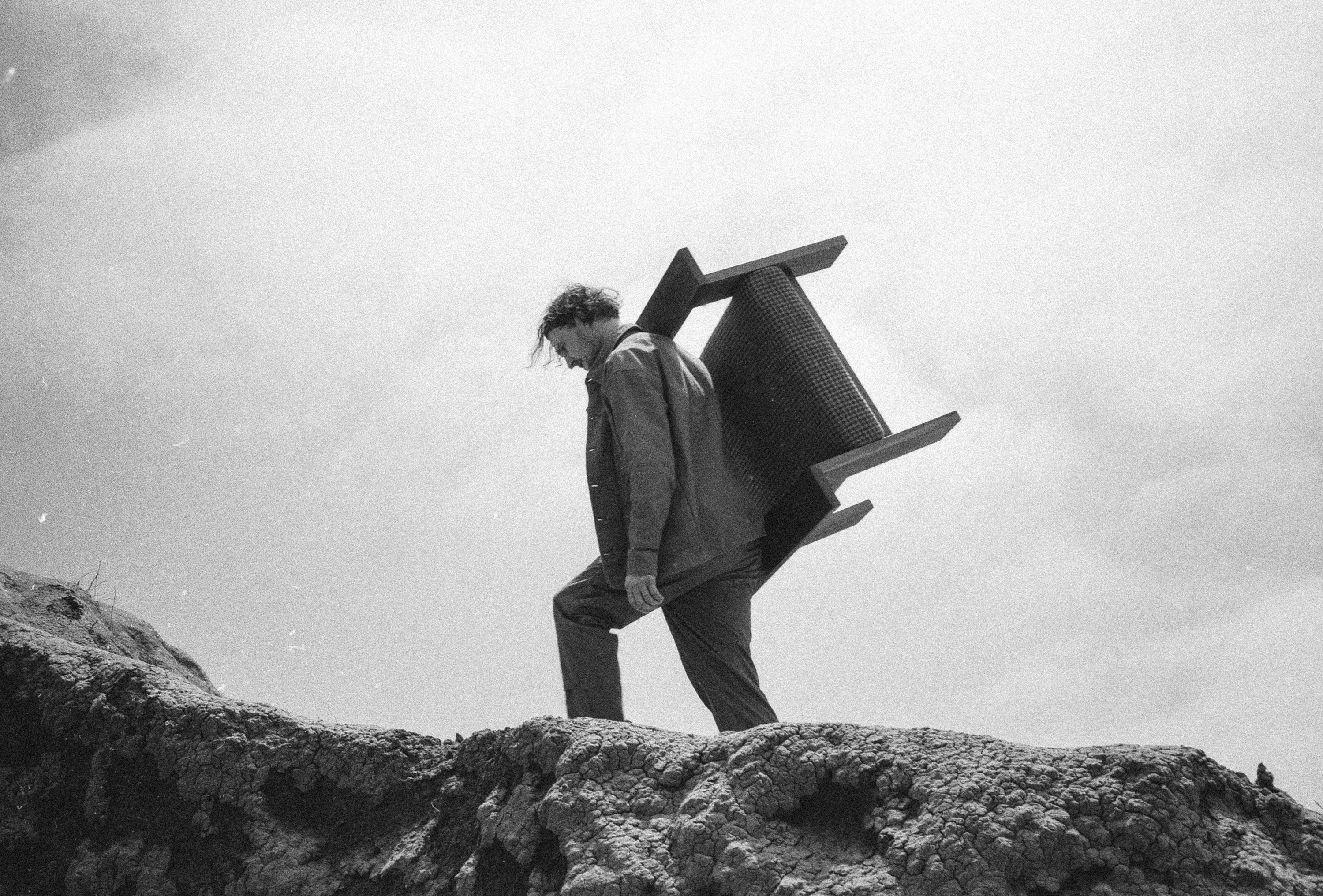
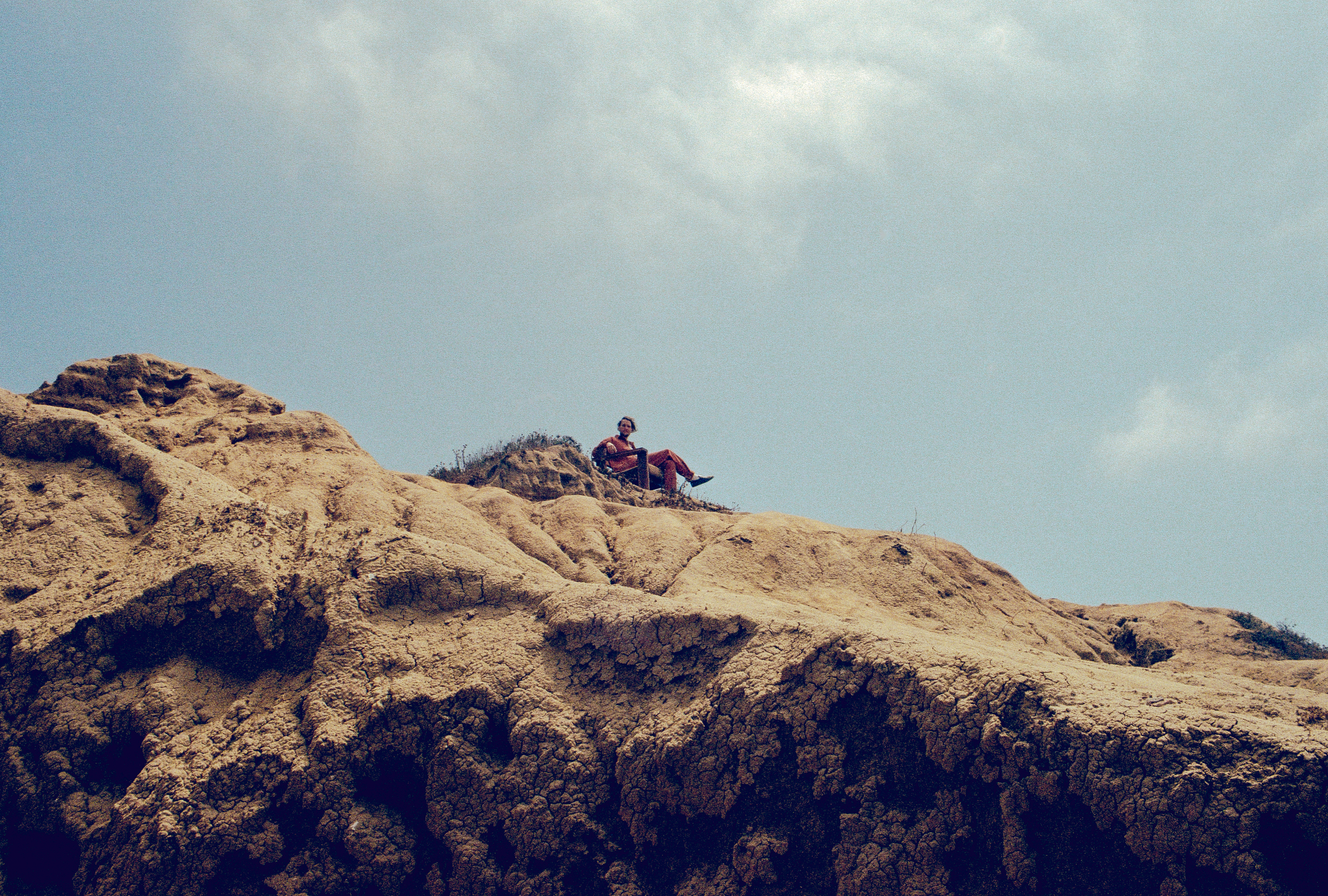
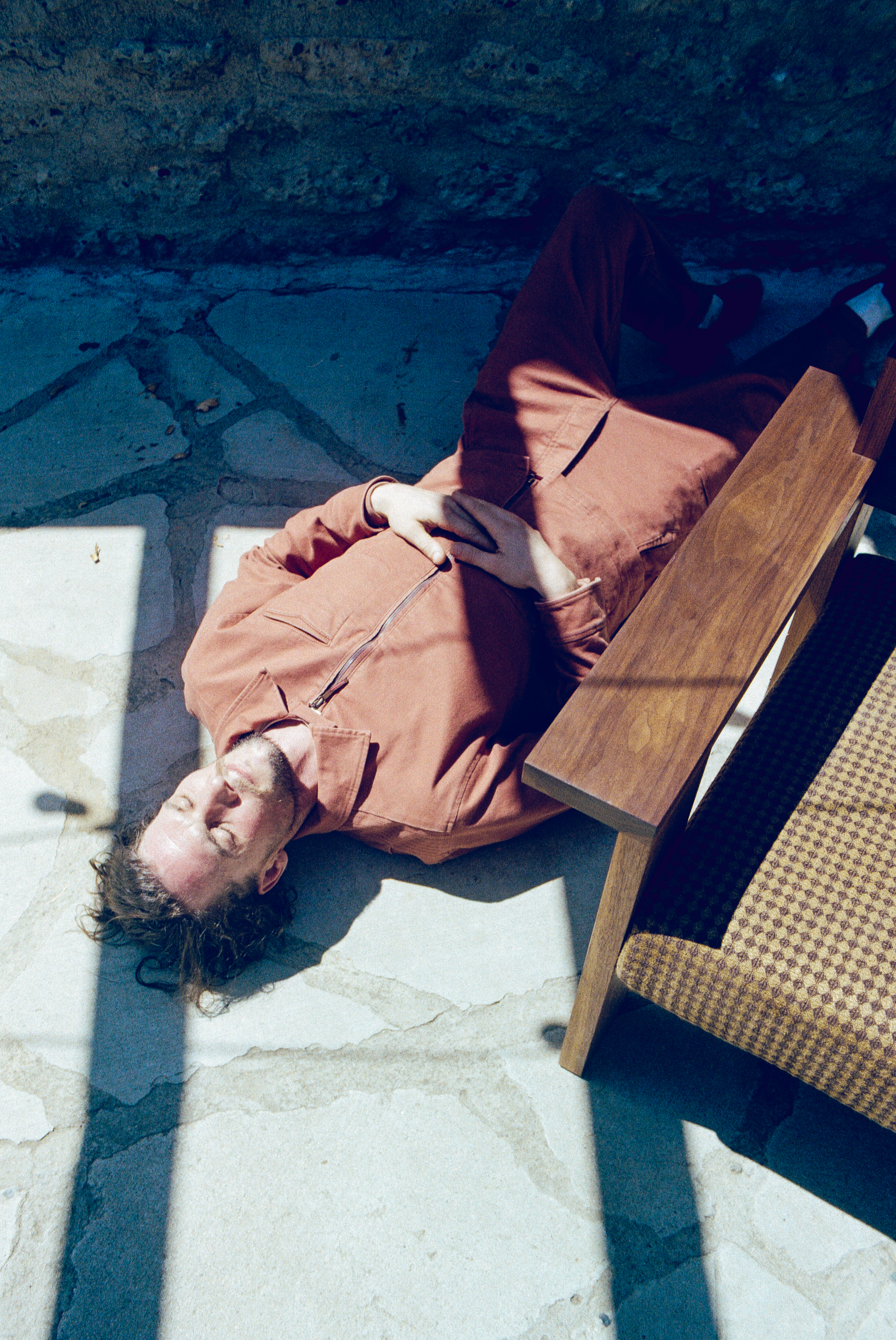
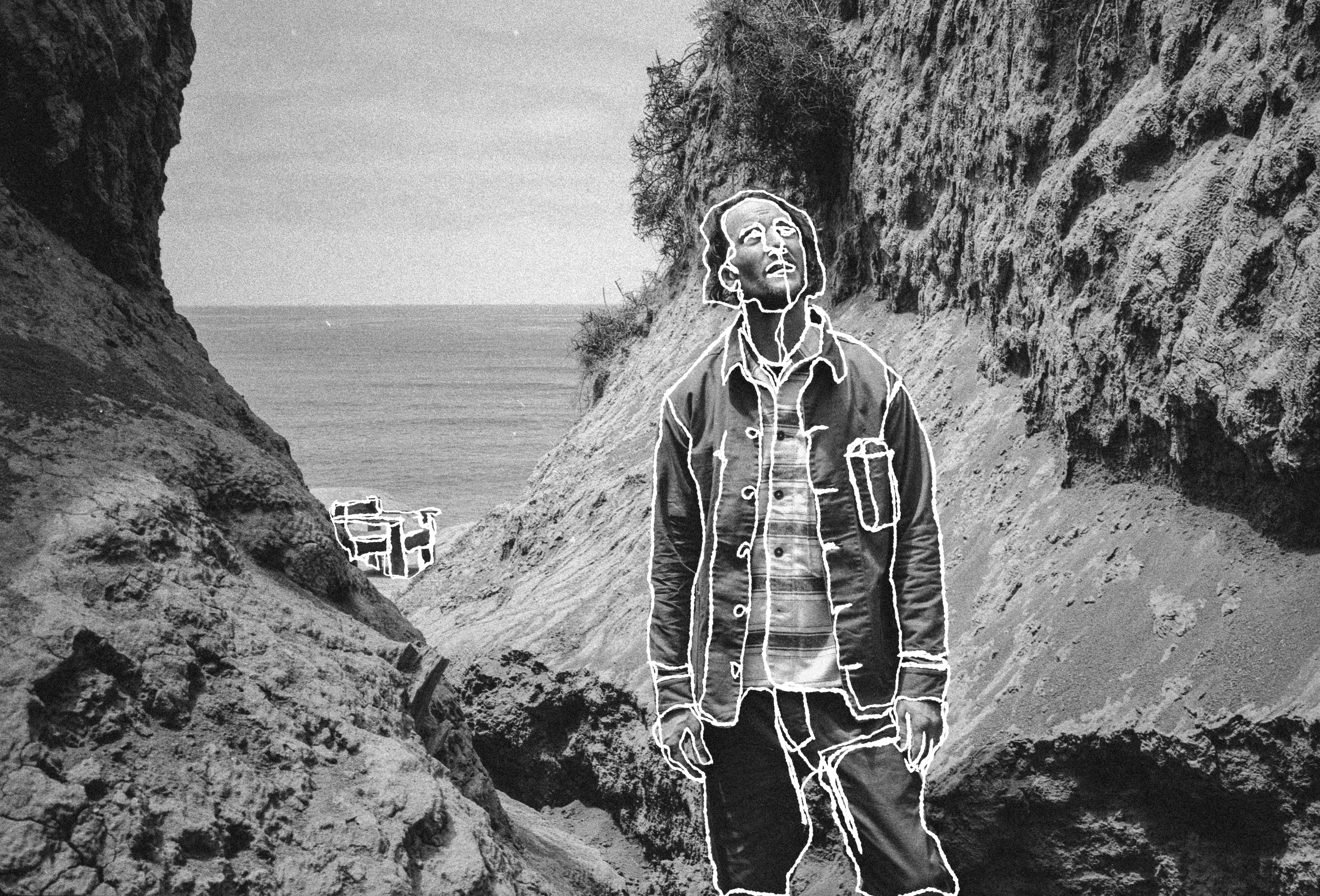
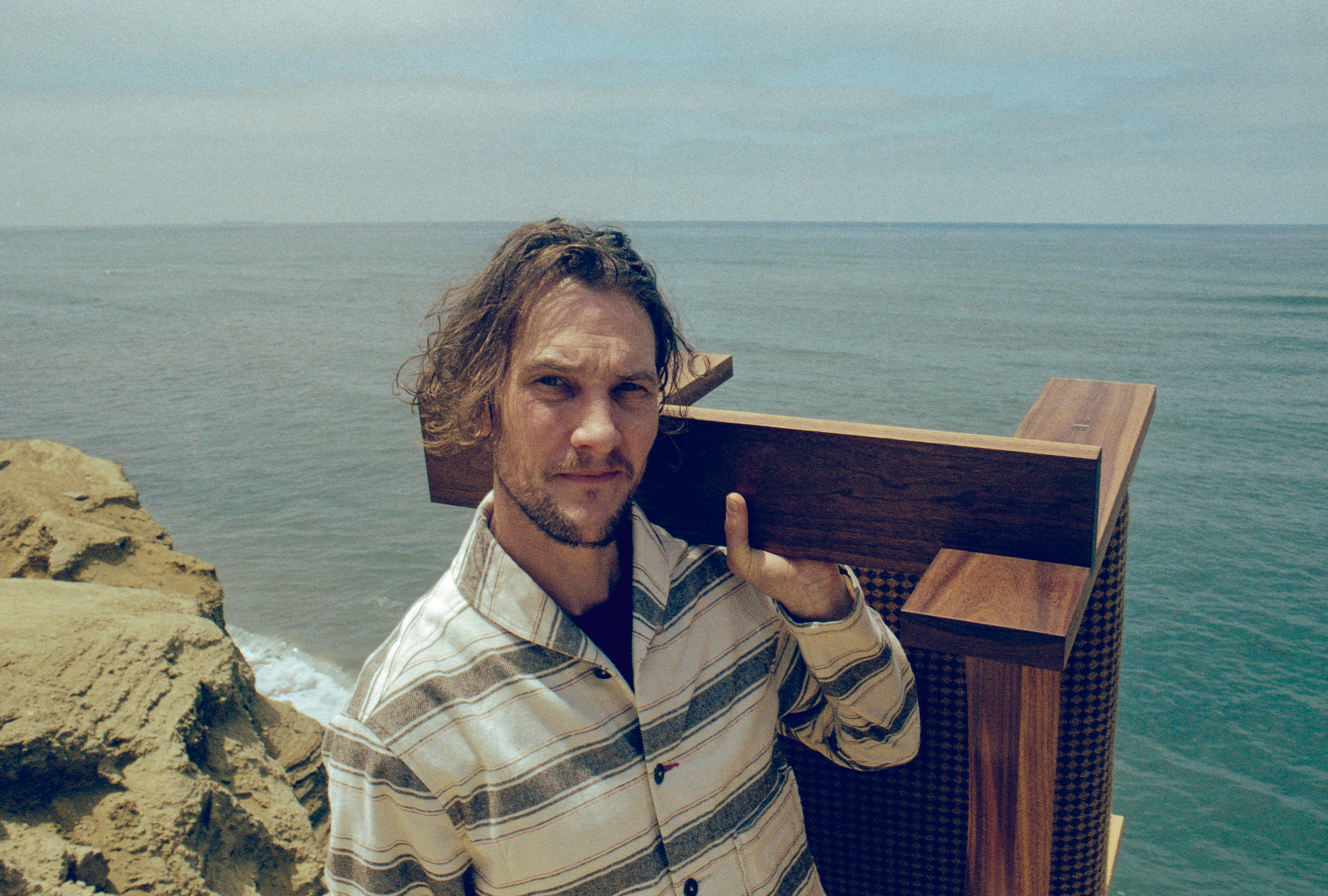
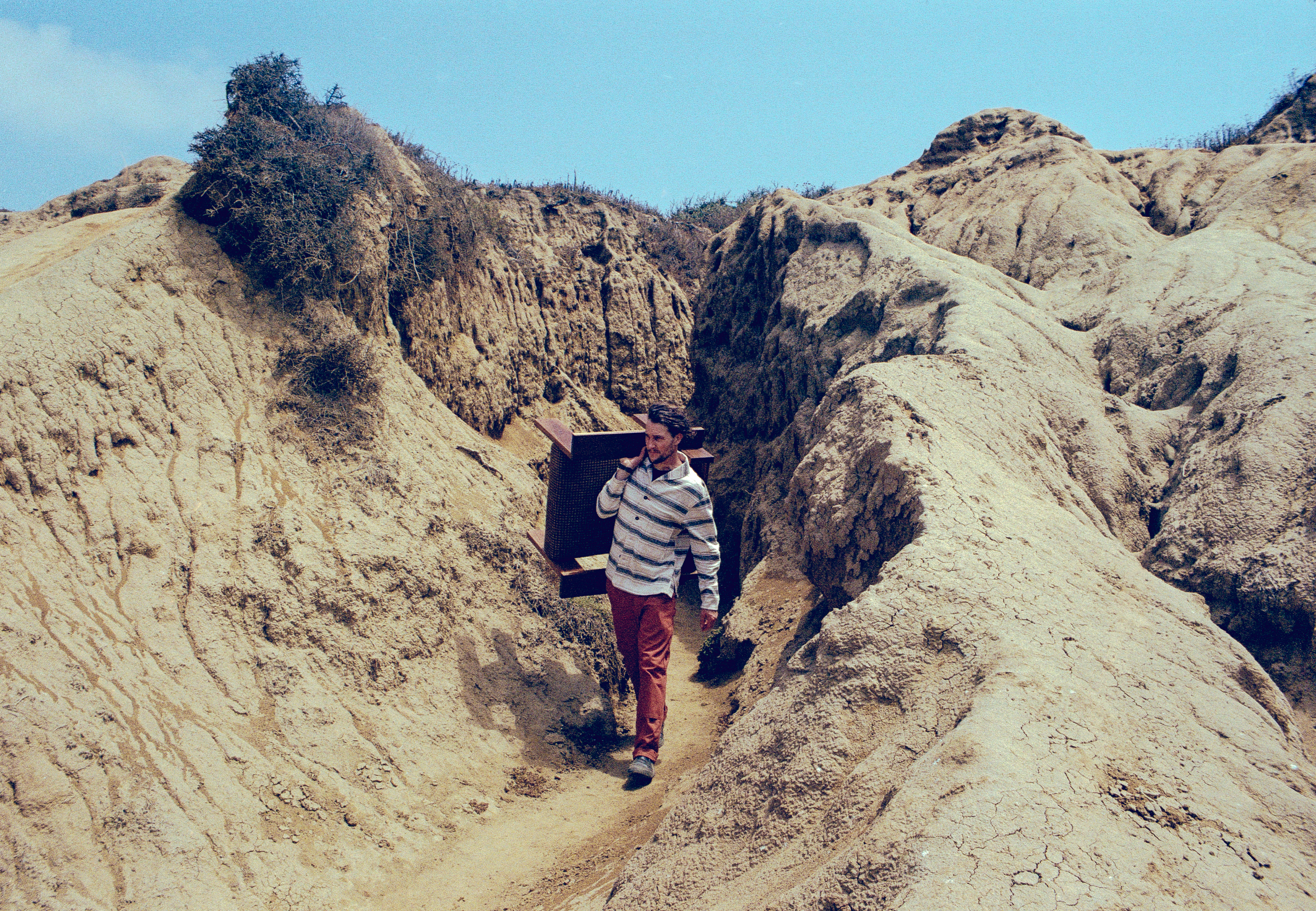
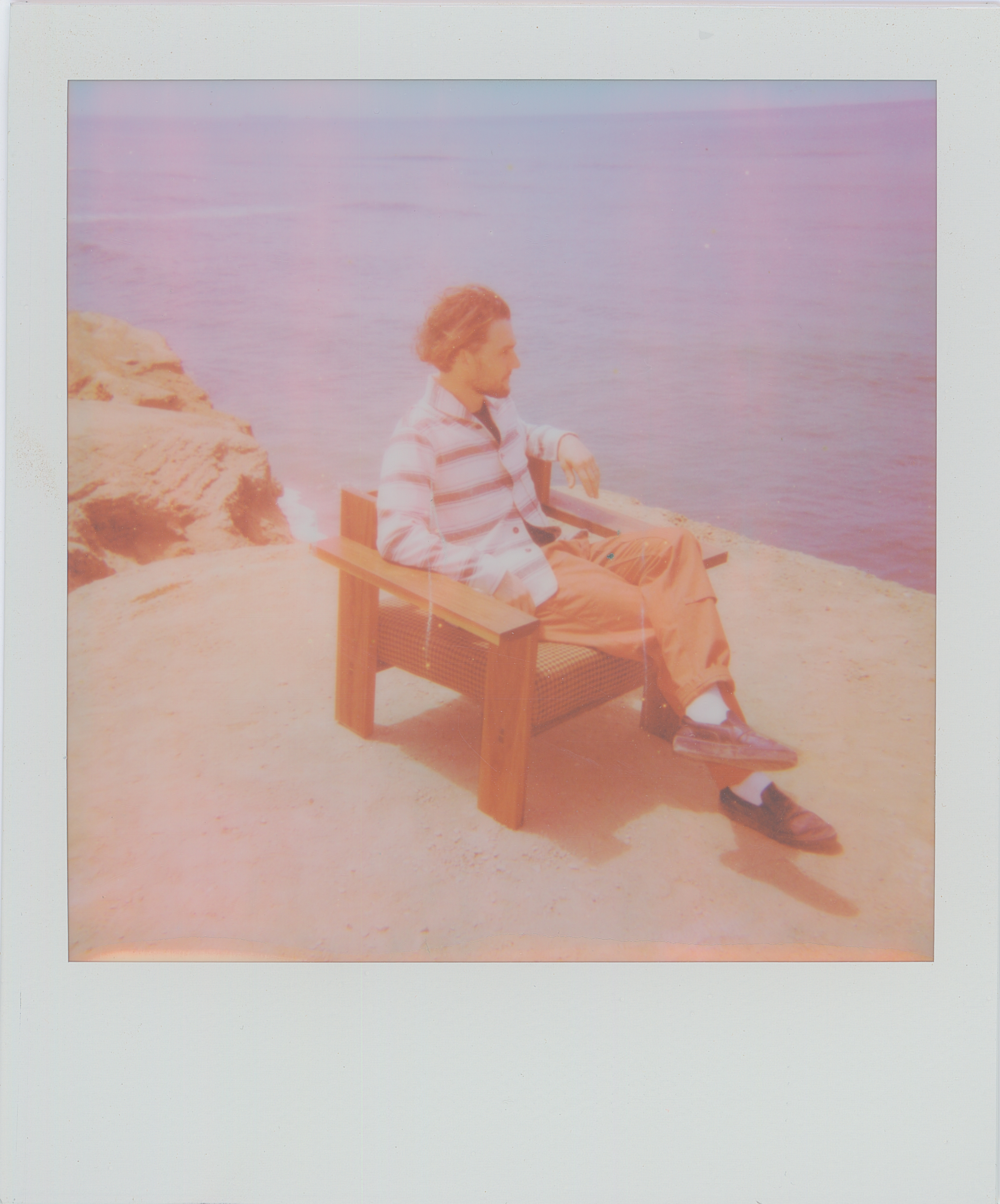
So you brought this chair all the way from New Zealand, and then we proceeded to drag it all over San Diego and photograph you sitting in it. What was going through your head while we were doing that?
It all felt so normal, maybe it’s cause I’ve walked those cliffs and streets with you before. Or maybe it’s cause I’ve carried these chairs around similar spots back home. It was nice to see the chair not constrained by place and that it fits and feels at home anywhere.
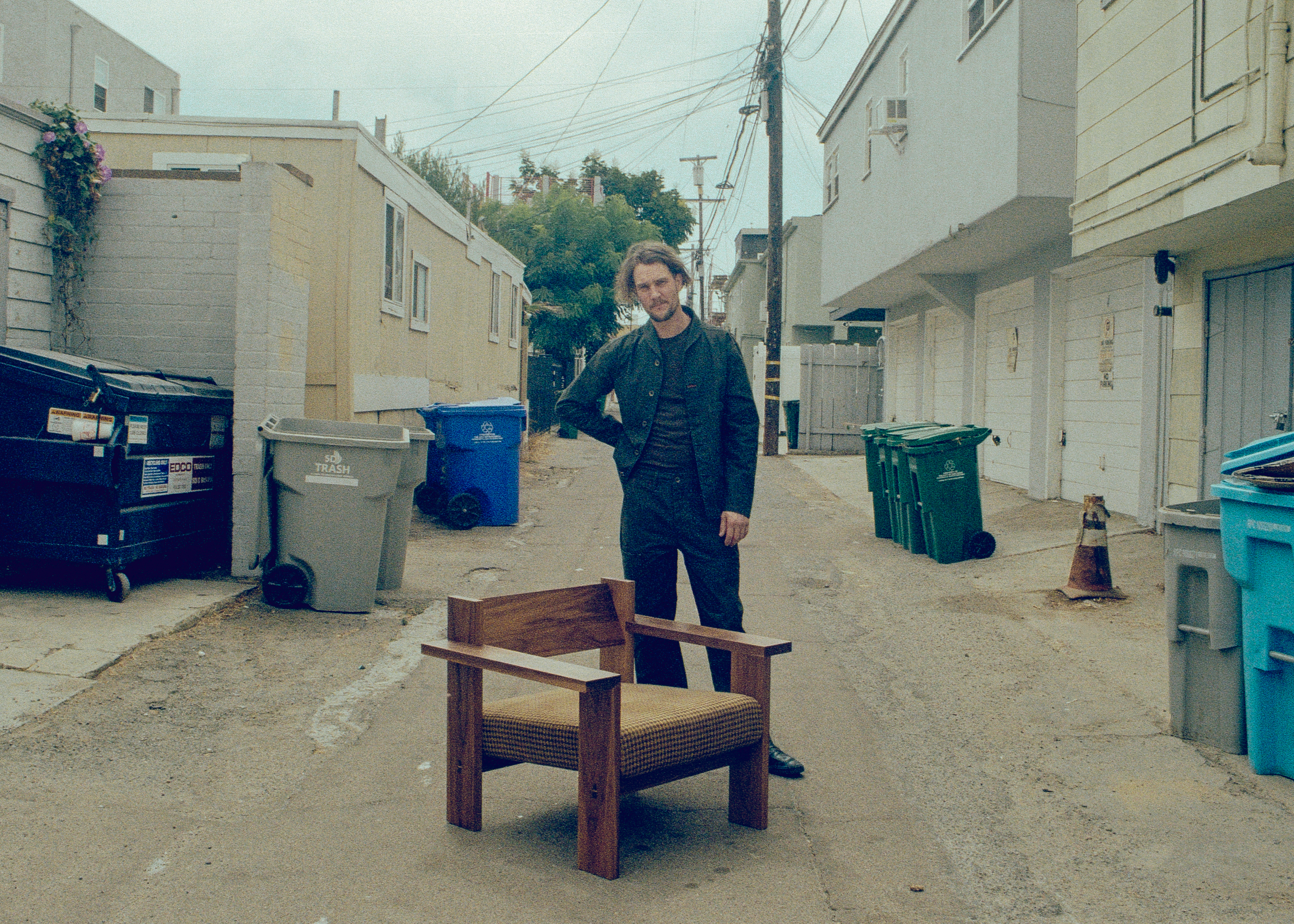
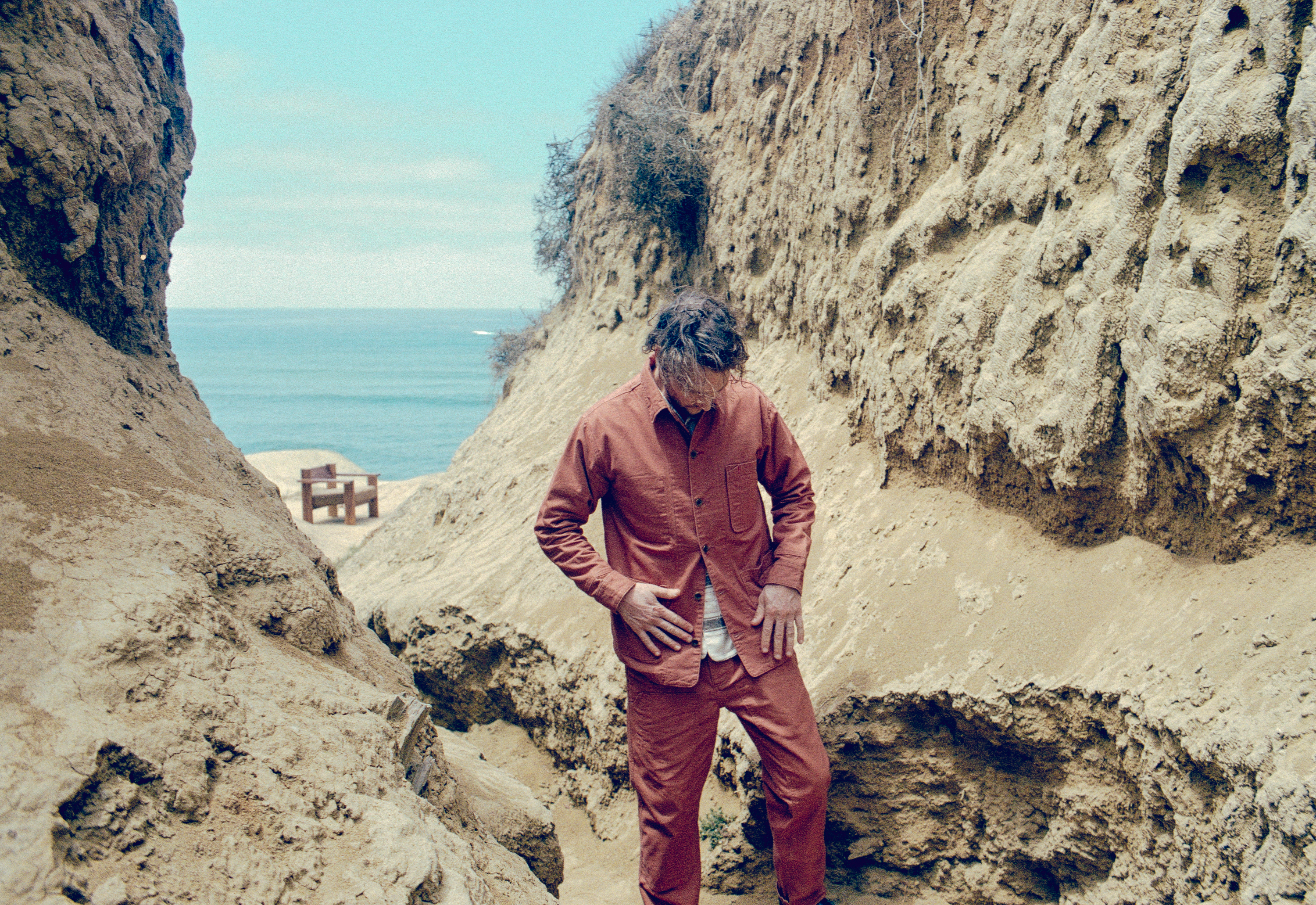
I think there’s a romantic idea of chasing a dream, and then there’s the actual reality of it—the capital needed, uncertainty, years of work, and not really knowing whether it’s going to pay off. What has chasing this particular dream looked like for you?
All those thoughts were present in getting these chairs to the U.S.. There is such confidence in a dream when it’s forming and developing. It’s easy to be so optimistic about things until it’s time to take action, then the skeptic comes in, the realist. I decided to flat-pack my chairs into a couple bike boxes and fly them over with me, saving on money, logistics and testing a manufacturing method. It made sense in my head. It’s uncertain if the investment will pay off, but I think the experience and actioning of an idea/dream is always worth it and where the satisfaction is.
Have there been points along the way where you thought about giving up on it? What kept you going?
There have been plenty of times where I’ve wished for a job with a regular paycheck. Although I’m very much tied to the pursuit of furniture making and craft. It’s hard to give up on that. There’s a lot to learn and I get a lot of satisfaction in the process of developing, figuring things out and trying new ideas.
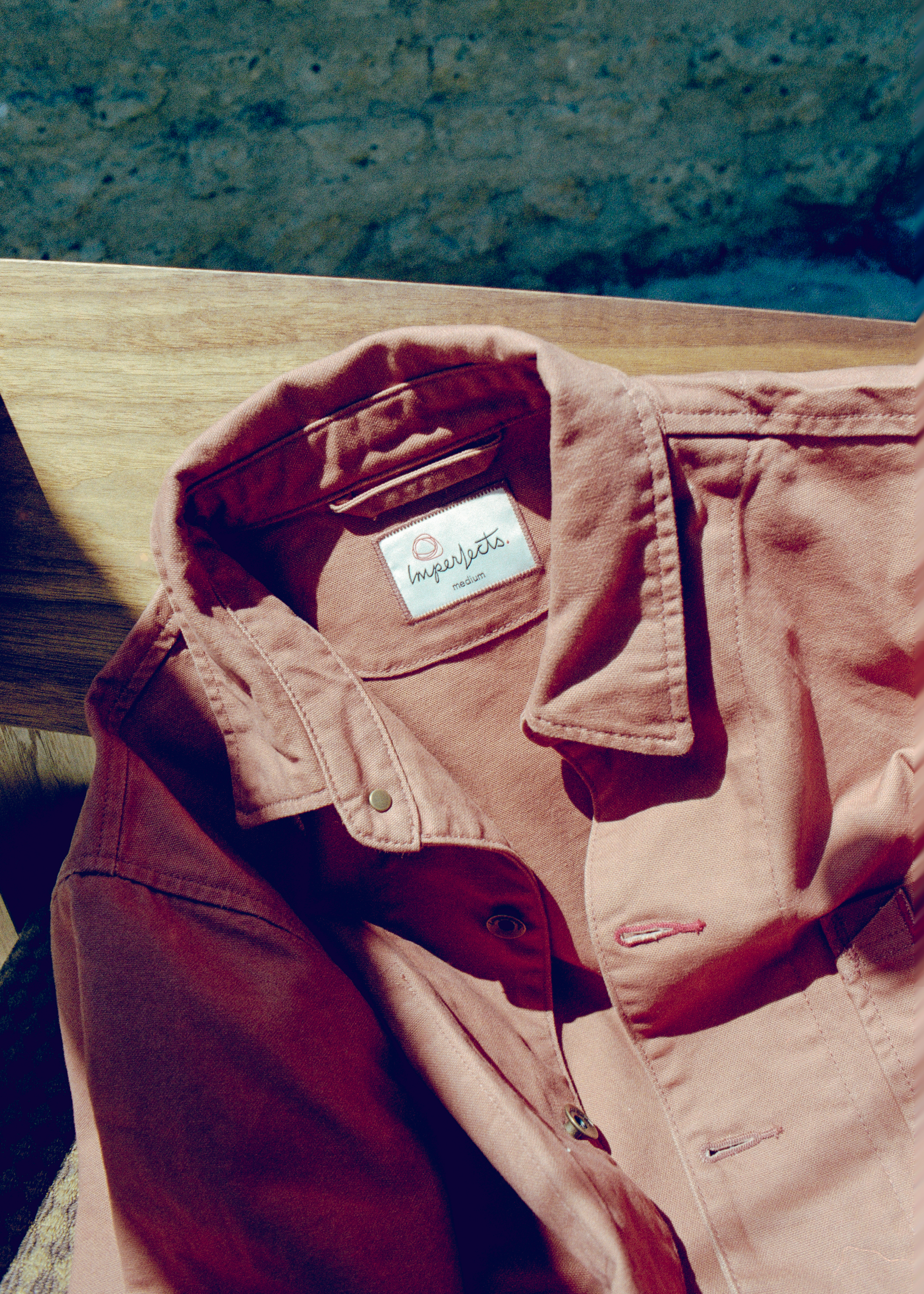
One thing I love about Imperfects is how an idea can become something we actually live in. Surfboards get dinged, clothes fade, furniture gets worn. How do you think about that with your work? Do you want the things you make to stay pristine, or do you like seeing somebody put their own life into them?
I want my furniture to be lived in and become a part of people’s lives. All the wear and marks holding stories and memories. It all adds to the beauty and character of a piece. I think time adds depth to the timber, touch and use from people add energy and soul.
There’s obviously a lot of attention to detail in both what you do with XYLO and what Imperfects does here. How important are the little things that most people might never even notice?
For me I’m always trying to take out as many details as possible. There is a power in restraint. Details are more thoughtful and highlighted this way. They are there for a reason. Sometimes it’s obvious other times not. It’s important because you are reacting to what you are making and giving it what it needs to feel right.
I think there’s some common ground between shaping a surfboard, sewing a garment, and building a chair. You’re taking raw materials and slowly turning them into something that hopefully has a life beyond you. What does craftsmanship mean to you?
To me craftsmanship is an honoring of the materials I’m working with, putting myself, my thoughts and ideas into my work and growing a confidence and understanding of tools and processes.
If you could go back and talk to the version of yourself who was traveling around America all those years ago, what would you tell him?
Back yourself, your ideas and how you do things. Don’t get stuck in the comparison to other people, but be inspired by what you are seeing and make the things that come to mind.
What are you dreaming about now?
I’m dreaming of the Ritual Chair being in a lot of spaces. Acting as a calm daily spot to hold the people that sit, creating comfort and giving permission to breathe and take a moment. Hopefully on the way to chasing a dream.
Thanks again Michael for your thoughtful answers and time!